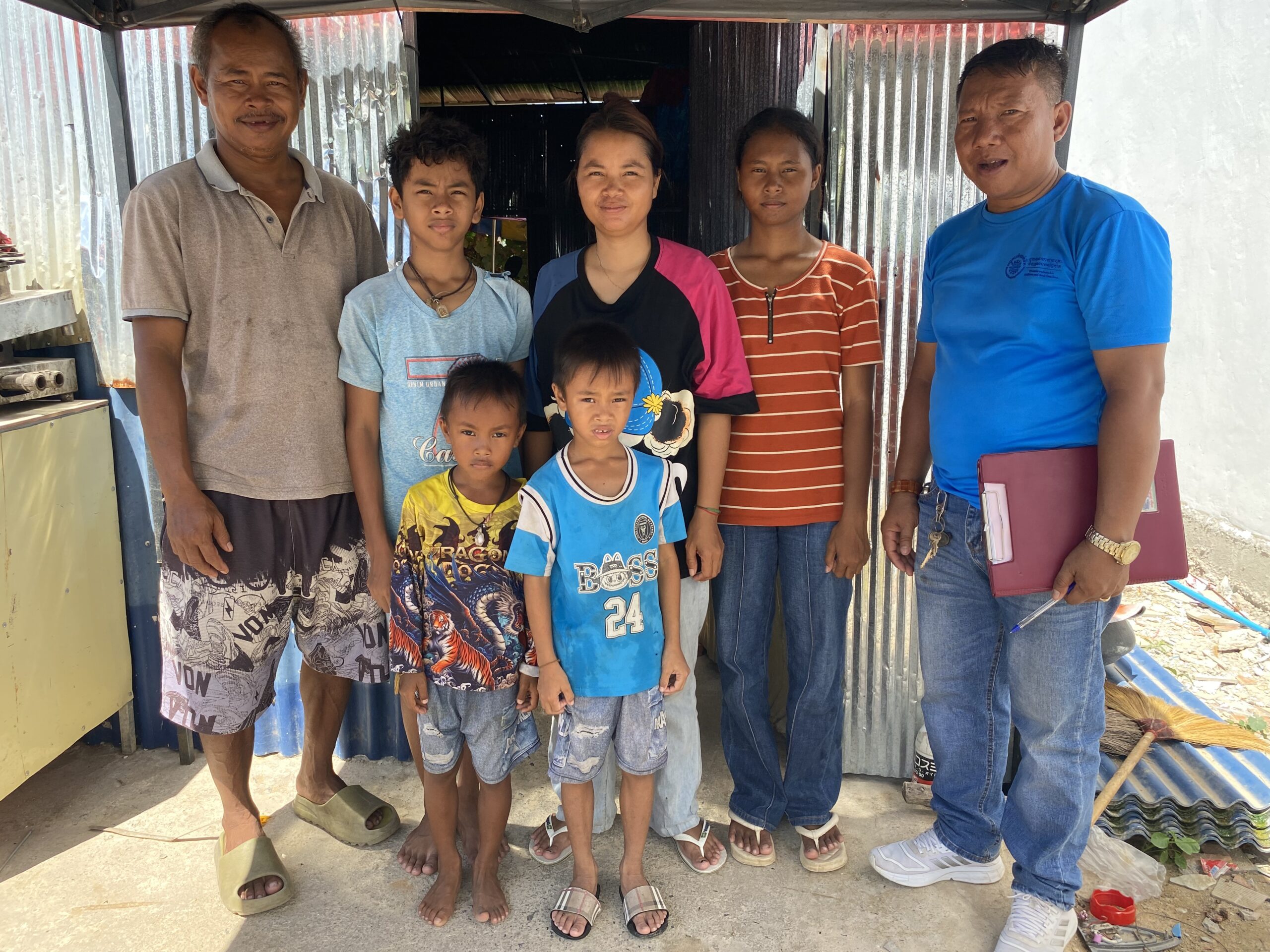
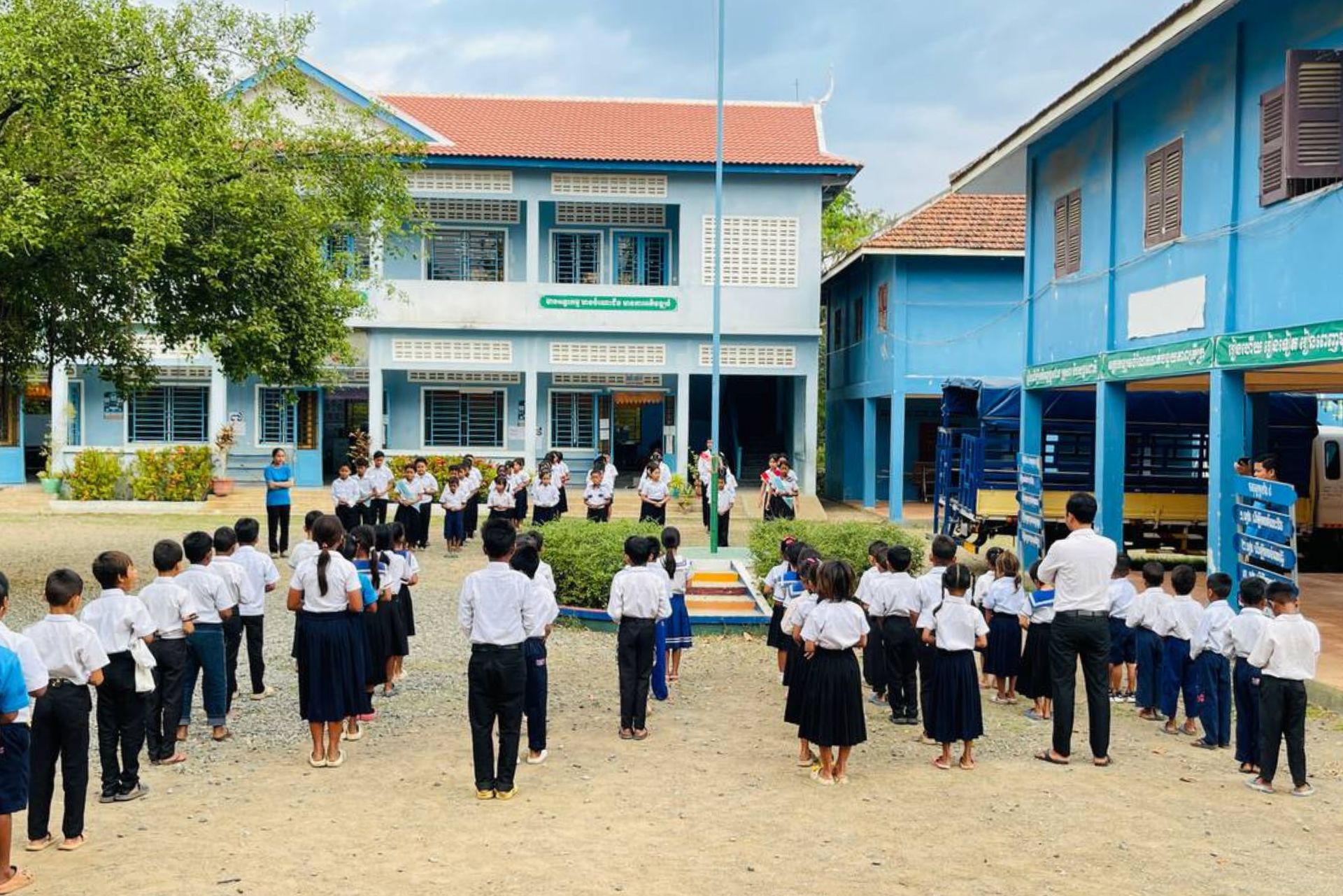
For many families in Neak Loeung, support begins with a visit.
Damnok Toek’s Outreach project serves as the first connection between social workers and families raising children with disabilities. In communities where stigma and limited information still exist, that first contact can change how families perceive their vulnerable children; turning dreams of the children into possibilities.
At the Outreach project, Damnok Toek (DT) works directly within communities. Children with disabilities, identified through outreach, are supported through weekly services at the DT Day Care Centre, while families, especially in remote areas, benefit from home visits, practical training, and guidance on daily care. DT social workers help parents better understand disabilities and replacing their fear and uncertainty with knowledge and confidence; fostering quality of life for children with disabilities.
From teaching simple rehabilitation techniques to assisting with Disability ID applications, the outreach team helps families create safer and more supportive environments at home. Regular visits are also being conducted to closely monitor children’s health, development, and protection and, if needed, refer them to relevant medical and specialised services.
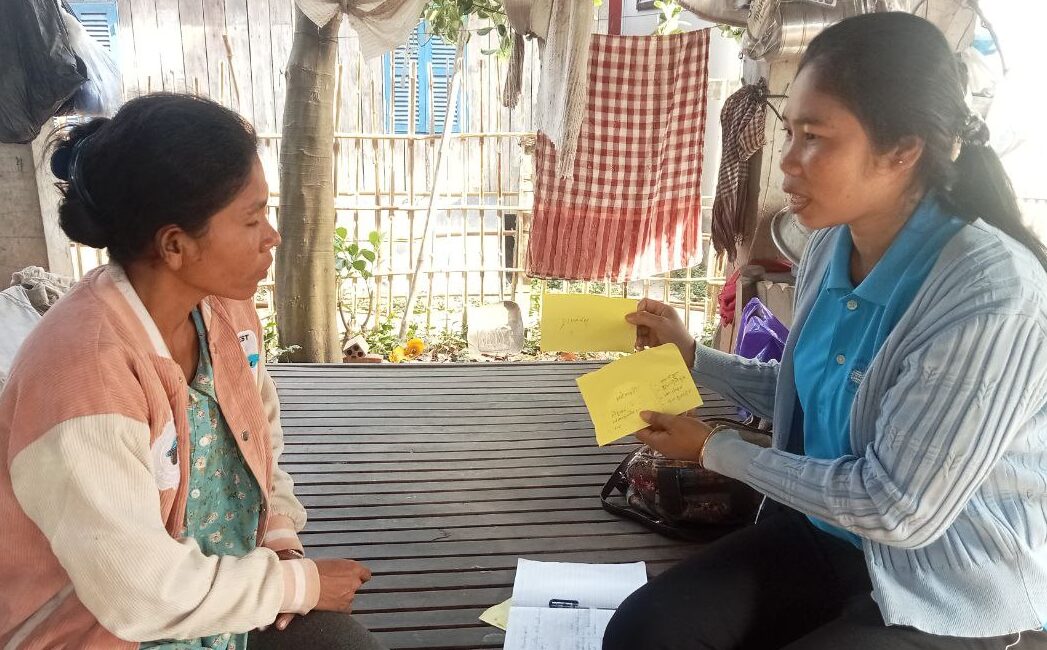
In 2026, the project continues to grow and adapt. Services have expanded to more remote communes such as Prey Kandieng and Babong, reaching families with limited access to support. New approaches, including life skills training, disability rights education, and the use of communication tools, are strengthening how children learn and interact. These approaches are not only taught to mothers but also to fathers, to raise awareness as well as to encourage a shared responsibility and create a more supportive environment for children at home.
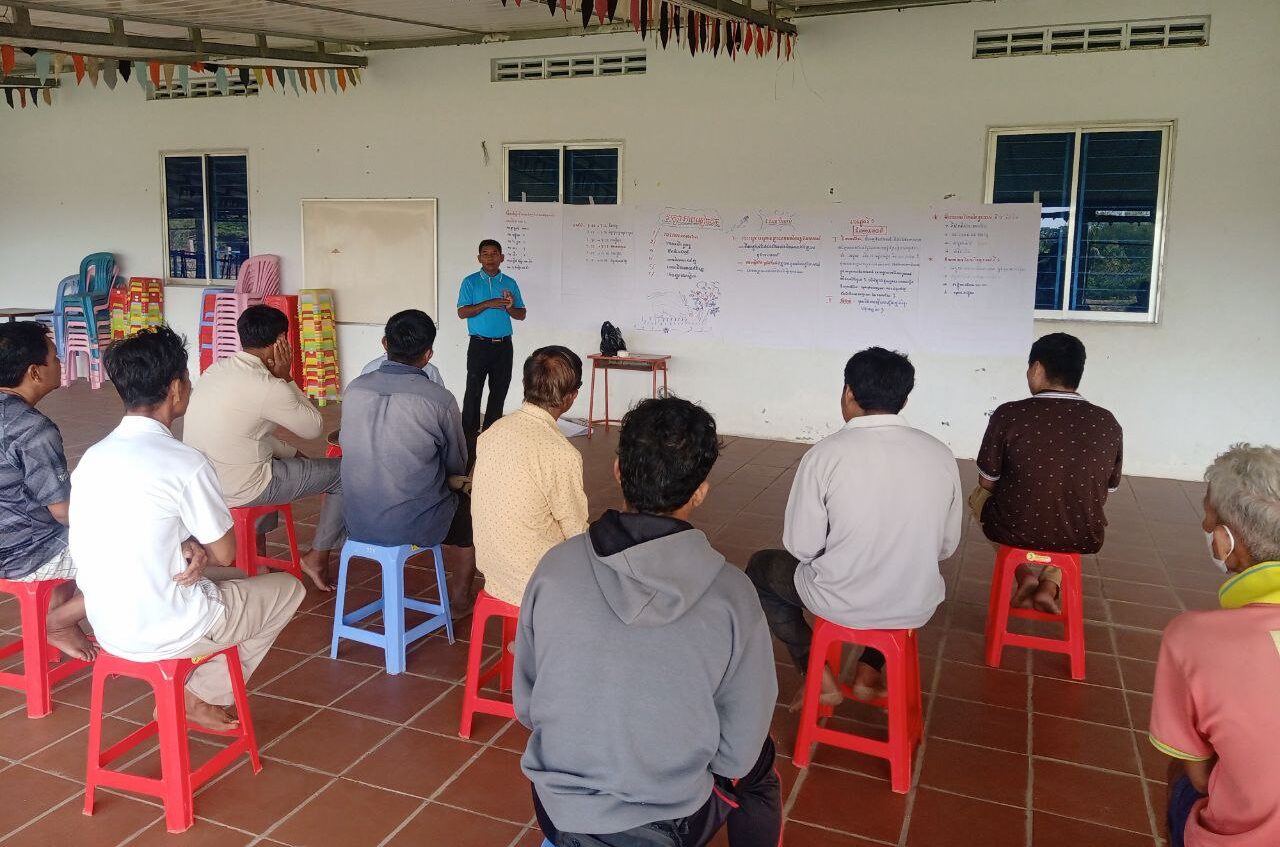
Within the broader target area of Peam Ro District, an estimated 120 children with physical and intellectual disabilities are living in the community, highlighting both the scale of need and the importance of targeted support. As of 2026, the Outreach Project has been ongoingly supporting 32 families and 32 children, with 7 new families enrolled between January and April.
Despite progress, challenges remain. Many children are cared for by grandparents while parents work long hours, and financial pressure often limits the time families can dedicate to caregiving. The slow pace of progress can also be discouraging, especially without consistent support.
This is why outreach plays a critical role in providing care and support.
By supporting families early and consistently, the project helps reduce the risk of neglect and separation. The project is designed to ensure children can grow up in their own homes, surrounded by love, care and stability.
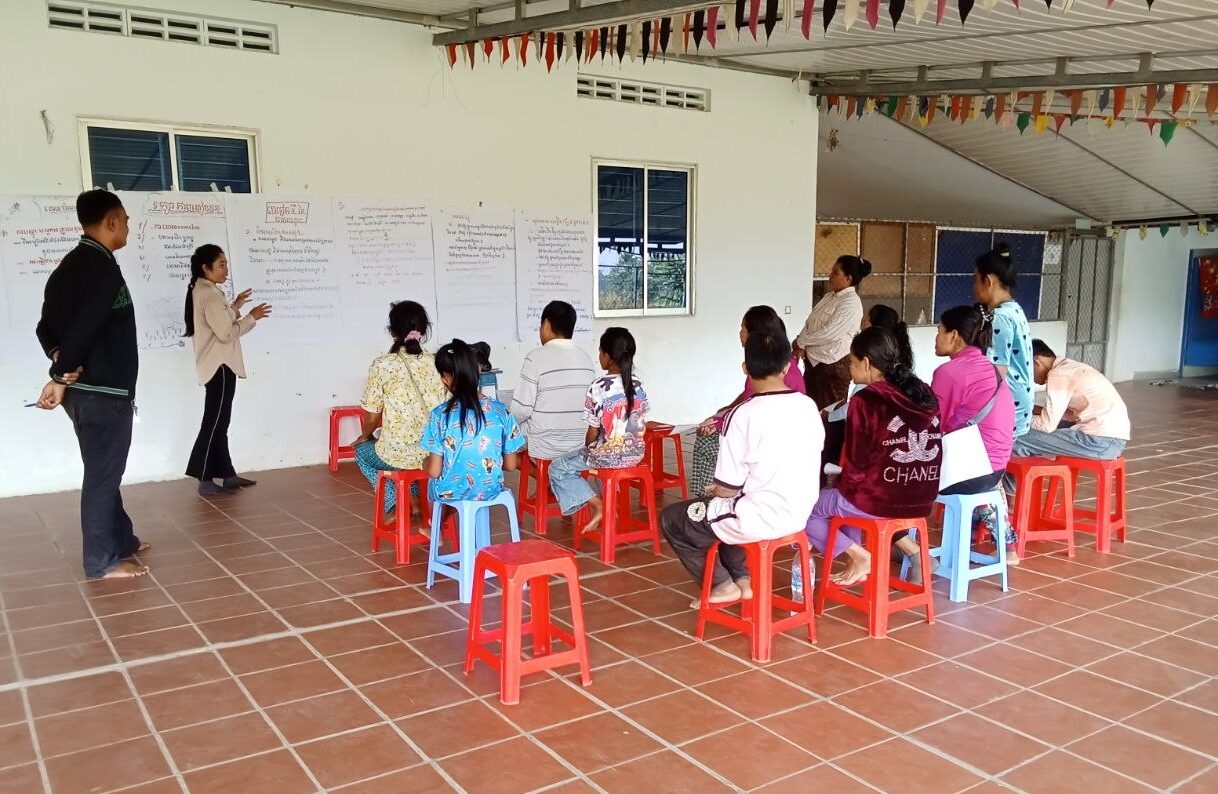
A key part of this effort is the Parent Support Groups, where families come together to share experiences, learn practical skills, and support one another. Here, DT social workers provide counselling, facilitate case discussions, and connect families with local authorities and partner organisations. This space does not only enhance children’s development, but also the parents’ confidence and sense of solidarity with same-situated families.
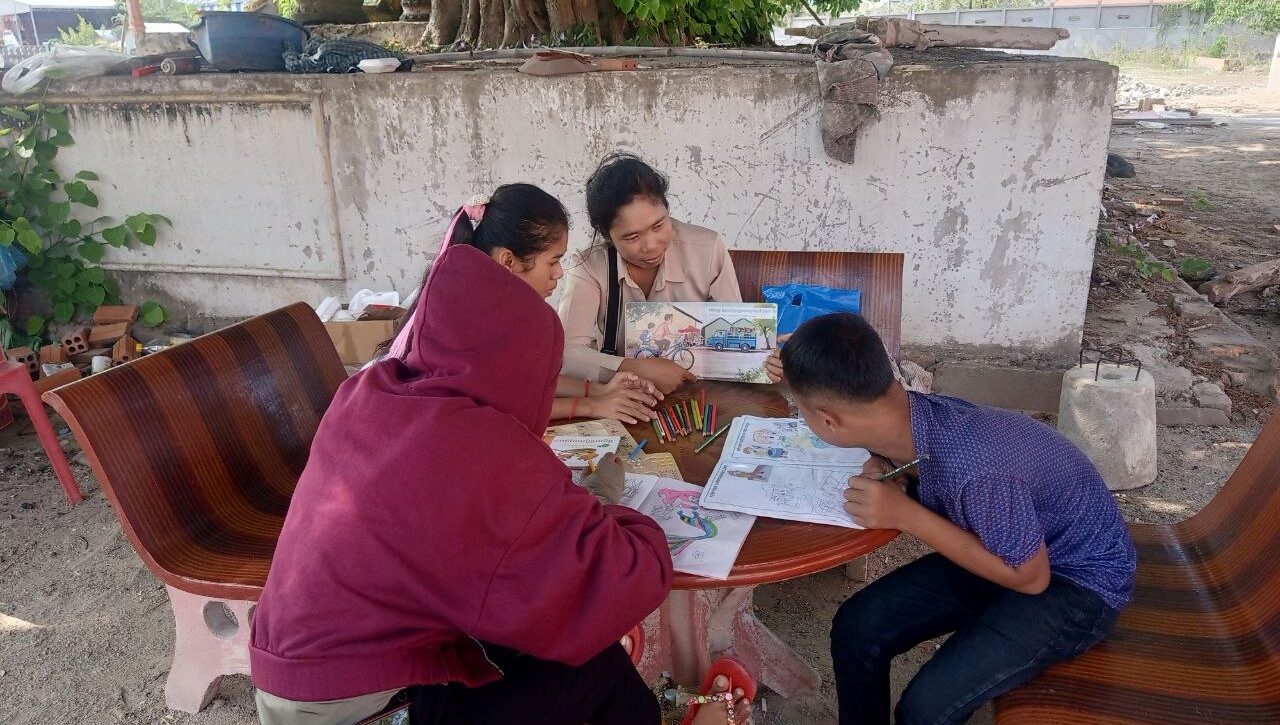
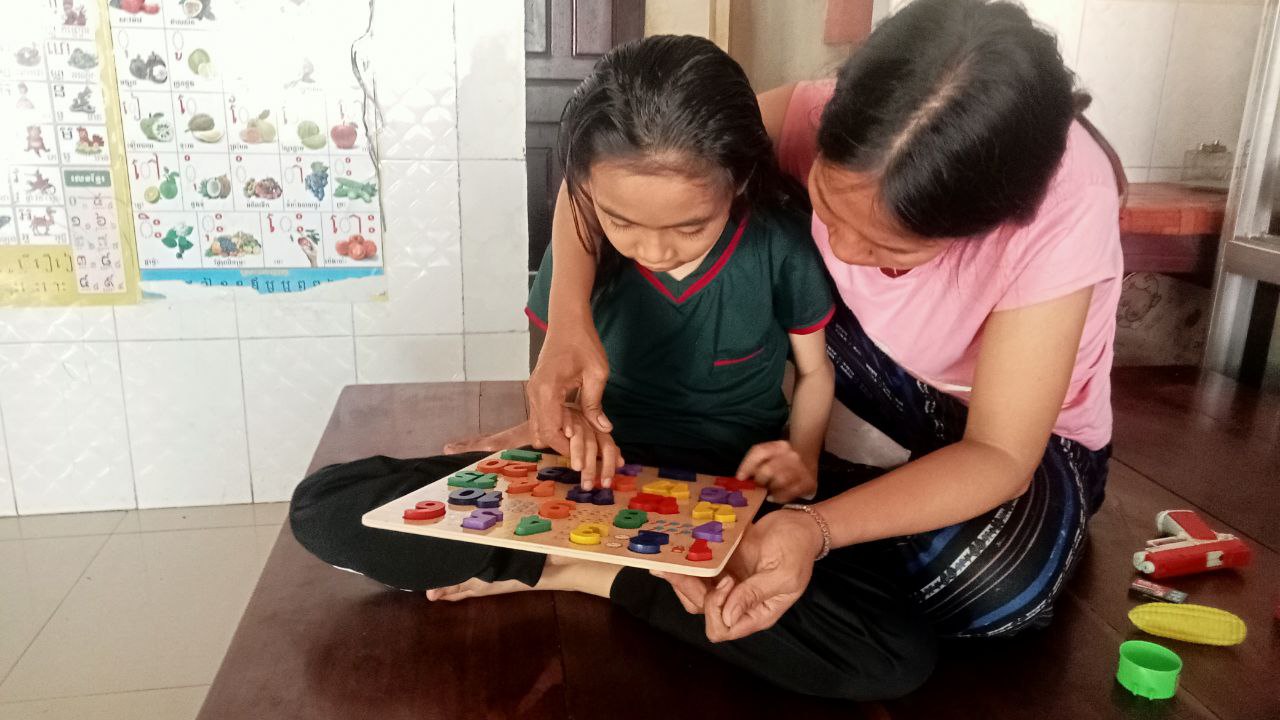
Meanwhile, change is taking place in families’ perception of reaching out to Damnok Toek’s service. Families in Neak Loeung is more actively seeking and accepting support. This change reflects growing understanding and hope; both in the project and in the inclusion of children with disabilities.
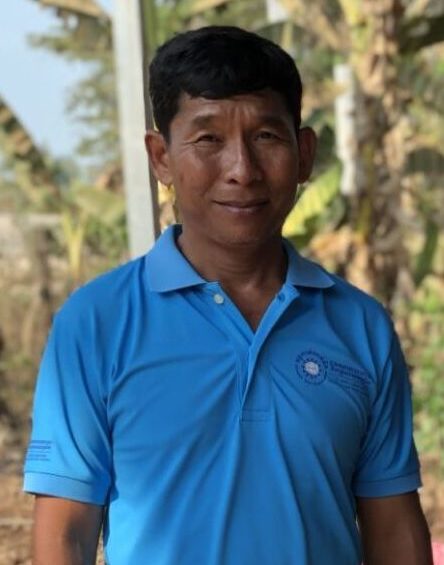
Looking forward, Mr. Try Mao, DT Team Leader of the Outreach Project, says, “We aims to strengthen our outreach efforts by working more closely with families and engaging specialists to provide expert support within the community. The focus remains clear, which is to empower children to develop self-care skills, independence, and a stronger sense of belonging within their own families.”
In Neak Loeung, outreach is more than a range of activities. It is a bridge, connecting vulnerable families to knowledge, to support and to a network, so that they do not have to face this journey alone.