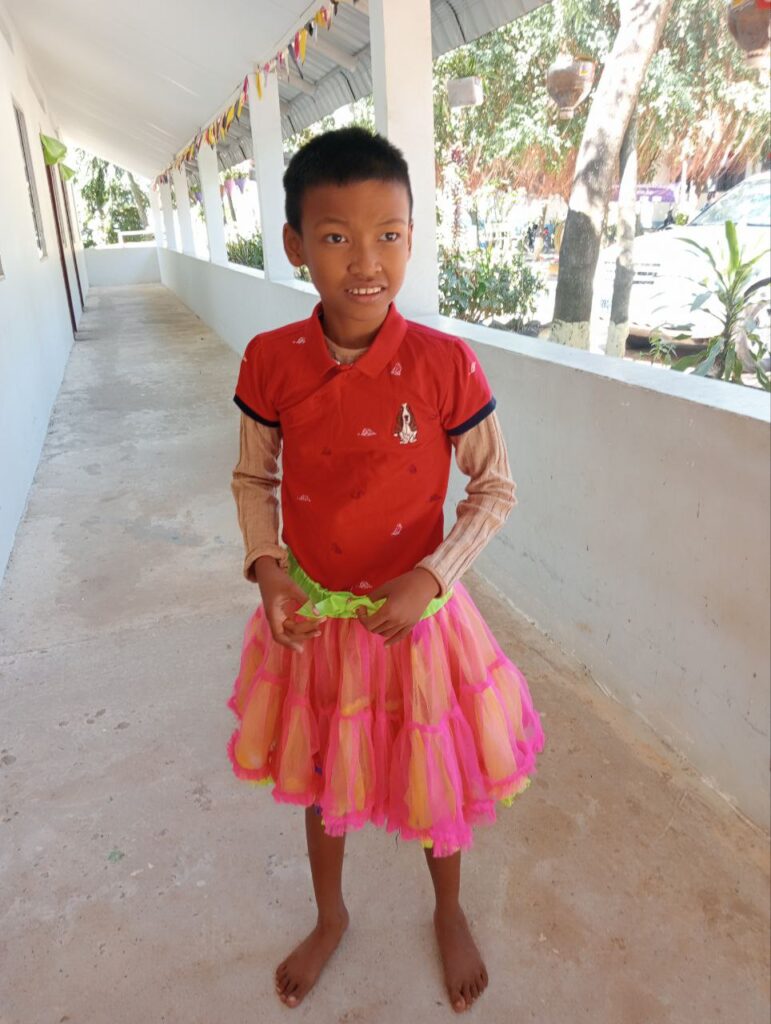
Chet*, an 11-year-old girl with autism and intellectual disability, arrived at Damnok Toek in 2021. Her mother had passed away, and her father who is suffering from dementia and high blood pressure, could no longer care for Chet. A foster home hadn’t worked out either due to the lack of training and resources to provide consistent care. Eventually, her father took Chet to the organisation ‘Children in Family’ (CIF) in Svay Rieng, and CIF referred her to Damnok Toek, opening a door to a new life for Chet.
Chet moved into one of Damnok Toek’s Transitional Small Group Homes (TSGH) in Neak Loeung; a programme designed to provide temporary, family-like alternative care for children with disabilities who cannot safely live with their families.
Children, living in the TSGHs, have diverse needs and capacities. Some have very severe disabilities and require intensive daily care; with limited progress to measure. For these children, wellbeing is often reflected in small but meaningful signs, including relaxation, eye contact, smiling, or laughing in response to people and sensory stimulation. Other children demonstrate greater physical and cognitive potential, with progress tracked through milestones such as learning to eat by themselves, brush their teeth, improve specific abilities, and interact socially with peers and educators.
In addition, at the TSGHs the educators provide quality and individualised care to meet each child’s needs. Their role goes beyond supervision; they support children to achieve as much independence as possible in daily-life activities such as eating, personal hygiene, communication, play, and social interaction. Children also benefit from rehabilitative therapy and comprehensive follow-up, tailored to their specific developmental needs.
Therefore, at TSGHs Chet’s progress unfolded in small but radiant moments. Chet started to learn skills, e.g. from not being able to eat on her own, she became capable of eating by herself.
Daily rhythms like eating and going to the Damnok Toek Day Care Centre was well managed by Chet. She understood some words as part of her communication. A single word like “go home” sparked a small understanding in her silence. Her smile, which had been rare for a long time, appeared whenever she understood instructions. These weren’t just milestones, they were signs of trust, presence, and growth blooming in the quiet warmth of routine.
While the TSGHs provide stability, family reintegration remains a core purpose of the programme. When parents or caregivers are identified, they become involved in children’s daily development activities to support sustainable reunification. At the end of December 2025, seven girls and six boys were living in the TSGHs. During 2025, some children were successfully reintegrated into their biological families, while others continue to live with Damnok Toek because reintegration is yet not possible. In these cases, Damnok Toek recognises that a stable and nurturing environment is essential, with educators stepping into parental roles and collaborating with partner organisations to provide specialised referrals and future support, including vocational training and independent living options for those reaching adulthood.
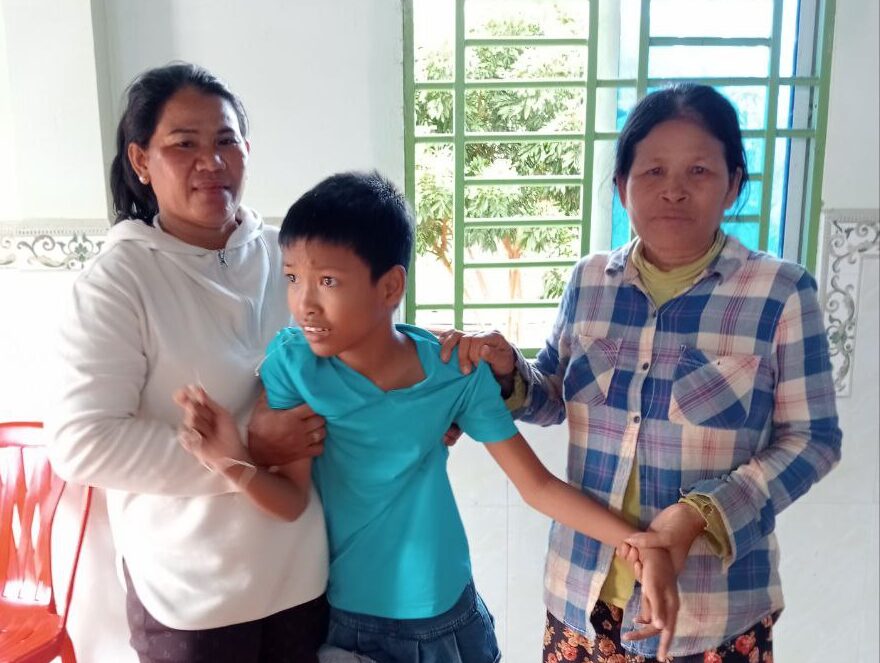
In Chet’s case, a new chapter began in 2023 when her aunt from Kampong Chhnang, who had lived with her during her mother’s lifetime, finally found Chet after a long search. As soon as she received news from Damnok Toek that Chet was safe, she reached out without hesitation. Chet’s aunt shared, that it had been her sister’s dying wish for her to care for Chet. She had tried to find Chet since the day her father took her to CIF, and she called Damnok Toek as soon as she learned Chet was there. She greeted visits with joy and an open heart. “She is my relative,” the aunt explained, “so I must care for her until I die. Even after that, my child will continue.”
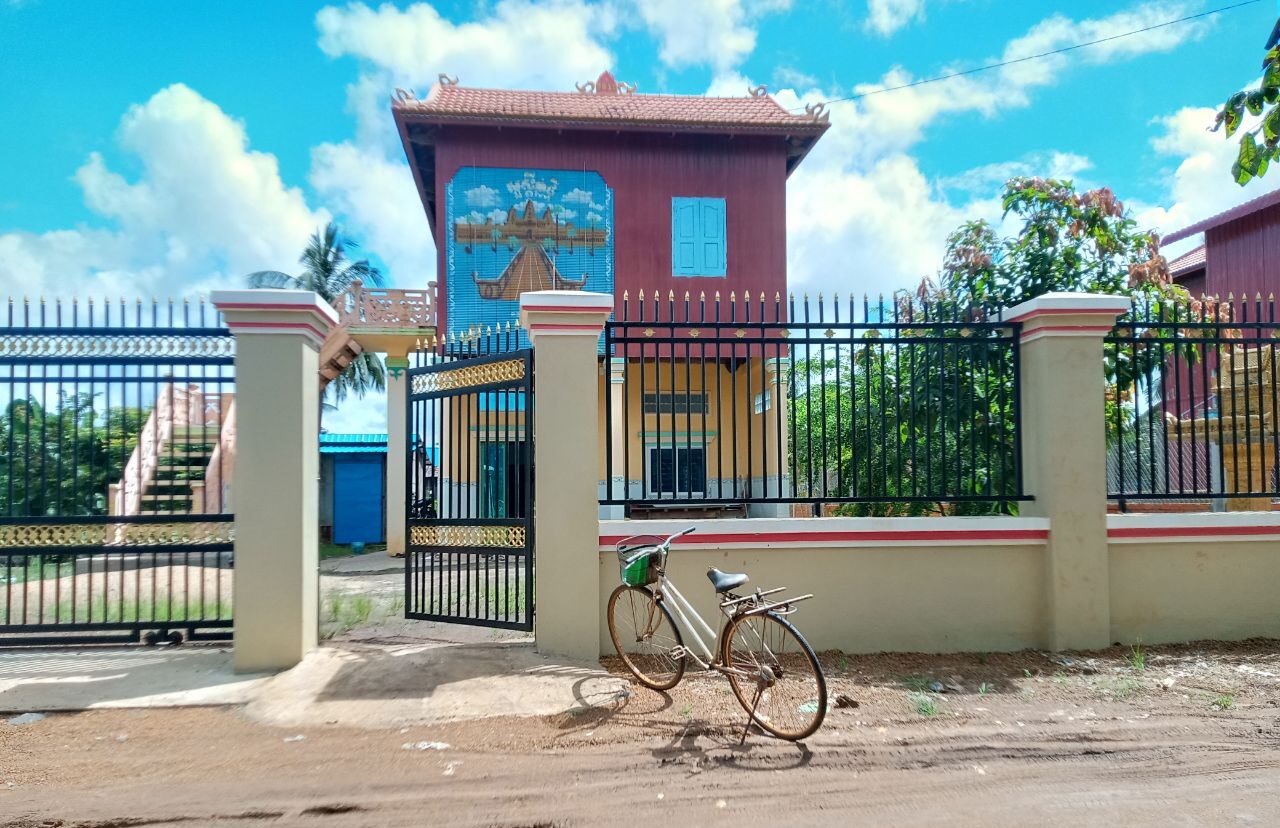
To prepare for Chet’s integration, the aunt committed to making her home safe and secure. A fence was built around the house in February 2025, marking an important step toward creating a protected living environment.
By June 2025, Chet had settled with her aunt. Her life blooms in small, beautiful ways.
Each morning, her aunt prepares a meal and Chet eats by herself, a testimony to the independence she has developed at Damnok Toek. She finds joy in simple pleasures – like walking in the grass and playing around the house. Her smile becomes bigger and even the most ordinary expressions like laughing or nodding are now more frequent in her new home.
At her aunt’s house, Chet has her own room close to her aunt’s bedroom, and her aunt regularly checks on her at night. Chet recognises her own room and has adapted well to her new home. When her aunt goes to the plantation, she often takes Chet along, if Chet follows willingly. When she does not, Chet stays with the aunt’s daughter, and at times, trusted neighbours help keep an eye on her. This shared care reflects both the family’s commitment and the community’s growing role in supporting Chet’s wellbeing.
Meanwhile, health care remains a concern for her aunt, especially because Chet cannot speak and cannot express when she feels unwell or needs to use the bathroom. Her aunt has purchased medication to manage Chet’s muscle spasms. Another ongoing challenge is that Chet does not yet recognise the need for bowel movements or know how to clean herself, requiring full assistance in this area.
Chet continues to require significant support for about 80 percent of daily activities, and she does not yet have vocational skills. However, there have been encouraging improvements in her health and abilities. As months passed by, her muscle spasms have reduced, and her overall health is good.
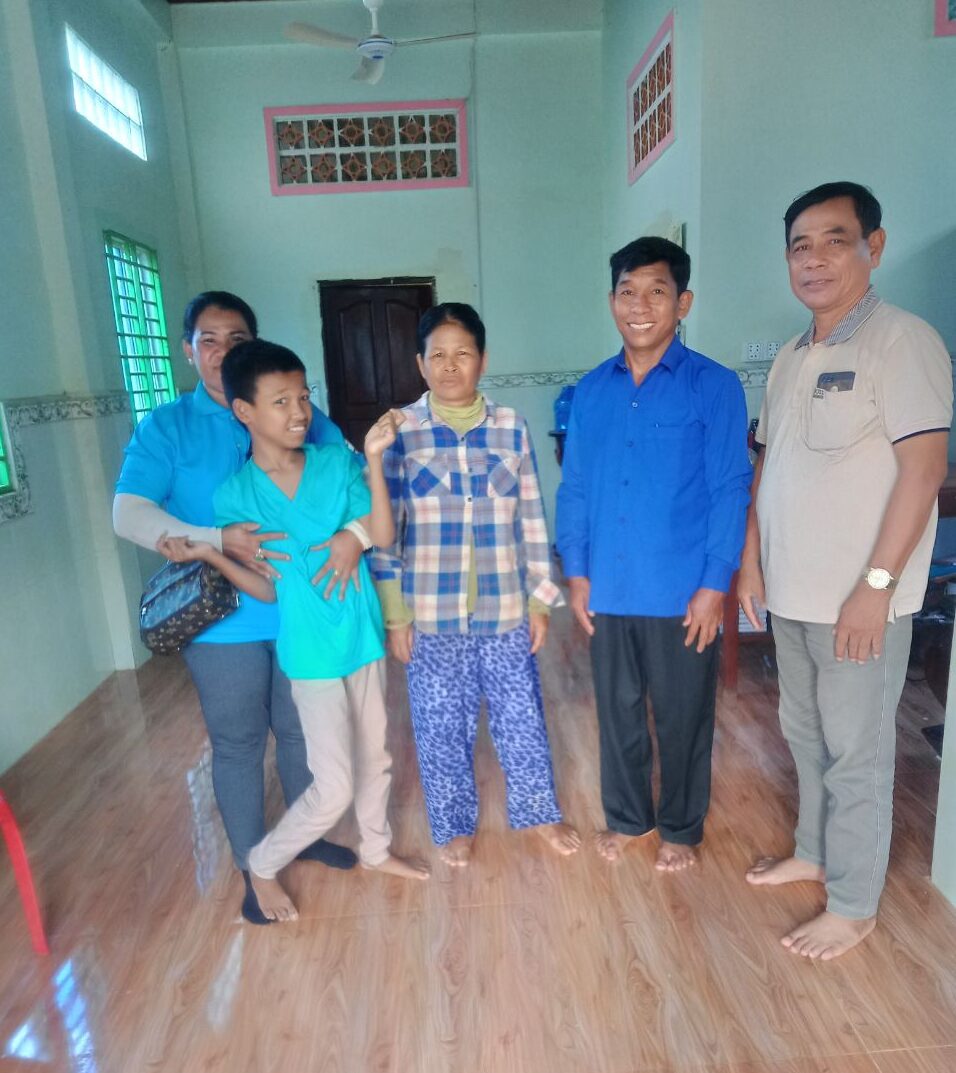
To support Chet’s integration and ensure that the home can meet her needs, Damnok Toek continues to play an active support role by working with the family. National equity cards, poverty cards, and a disability card have been issued as a part of the programme and are ready for use, helping reduce the financial burden of care. Registration with the National Social Security Fund (NSSF) for persons with disabilities has been completed, although the benefits are not yet fully functional. Damnok Toek has provided financial support for daily living and ongoing consultation and has followed up regularly according to plans.
Looking ahead, Chet’s aunt remains deeply committed but realistic about the challenges. She tells: “In 2026, I hope Chet will gain more knowledge and independence, at least 30 percent more, so she can better care for herself. Also, one day, Chet will be able to live with my daughter”.
Chet is still on a journey. Her progress comes in small steps, but each one matters. It is built through love, patience, routine, and inclusion.
*Note: The name of the girl has been changed in order to maintain her privacy