The border dispute between Cambodia and Thailand is rooted in long-standing disagreements over unclear border in certain areas, where both countries have overlapping territorial claims. These tensions have unfolded in two critical phases, both of which have significantly impacted border communities and those living along the more than 800-kilometer shared border.
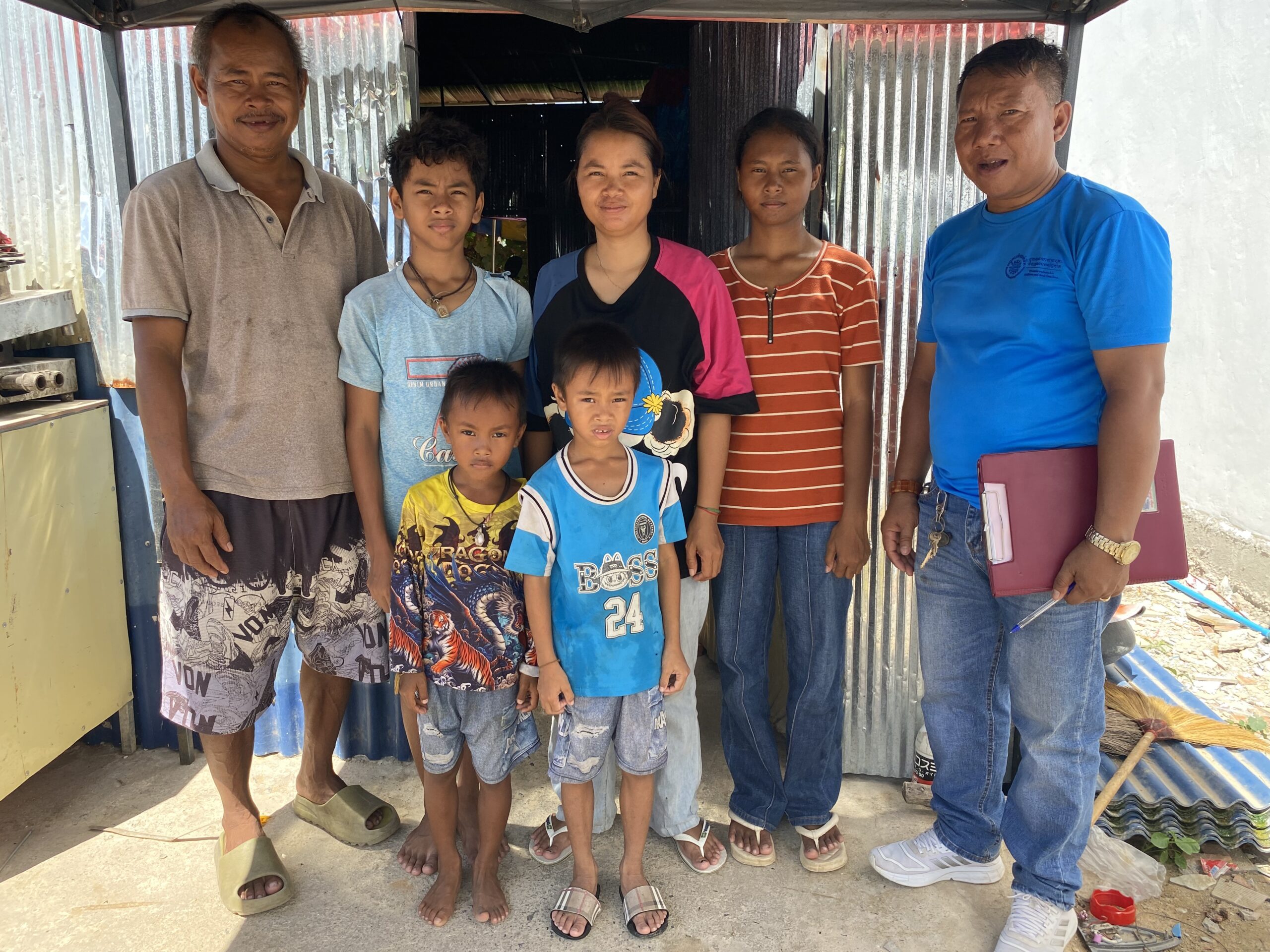
In mid-2025, more than 900,000 Cambodian migrant workers returned from Thailand, either due to rising tensions or uncertainty around their safety. Arriving back in Cambodia, many faced challenges, including loss of income, lack of job opportunities, and limited access to basic support systems.
The second phase occurred in December 2025, when the situation escalated further with cross-border attacks into Cambodian territory during most of the month. This forced families living in Poi Pet to flee to safer areas. With little time to prepare, many left without essential documents, increasing their vulnerability and limiting their access to services, employment, and protection.
In response to this situation, Damnok Toek has adapted its programming to meet emerging needs.
Mr. Im Norin, the Executive Director of Damnok Toek says, “During crises like this, the most important thing is to ensure that families and children are not left without support.” He adds, “Our role is to respond quickly and adapt our services so that people can regain stability, dignity, and hope for the future.”
Currently, Damnok Toek in Poi Pet is prioritising:
– Employment access: supporting families in finding stable livelihoods (job placement, income generating activities support).
– Documentation support: assisting individuals to secure legal papers and identity documents (ID card, family book etc…)
– Child protection: ensuring vulnerable children are safeguarded from exploitation and harm.
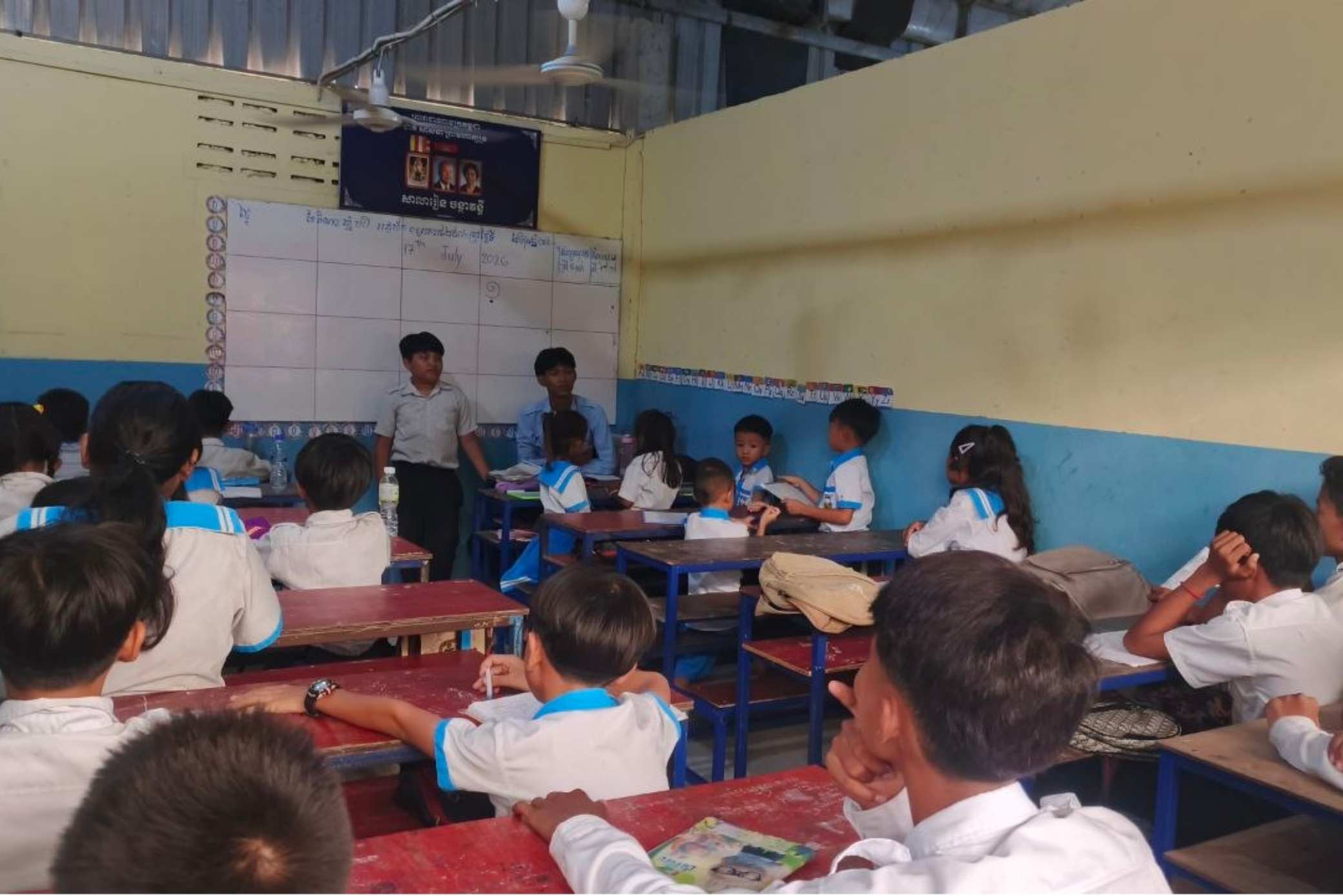
– Education continuity: helping displaced children continue their studies despite disruption.
Futures Office: Rebuilding Stability Through Work and Skills
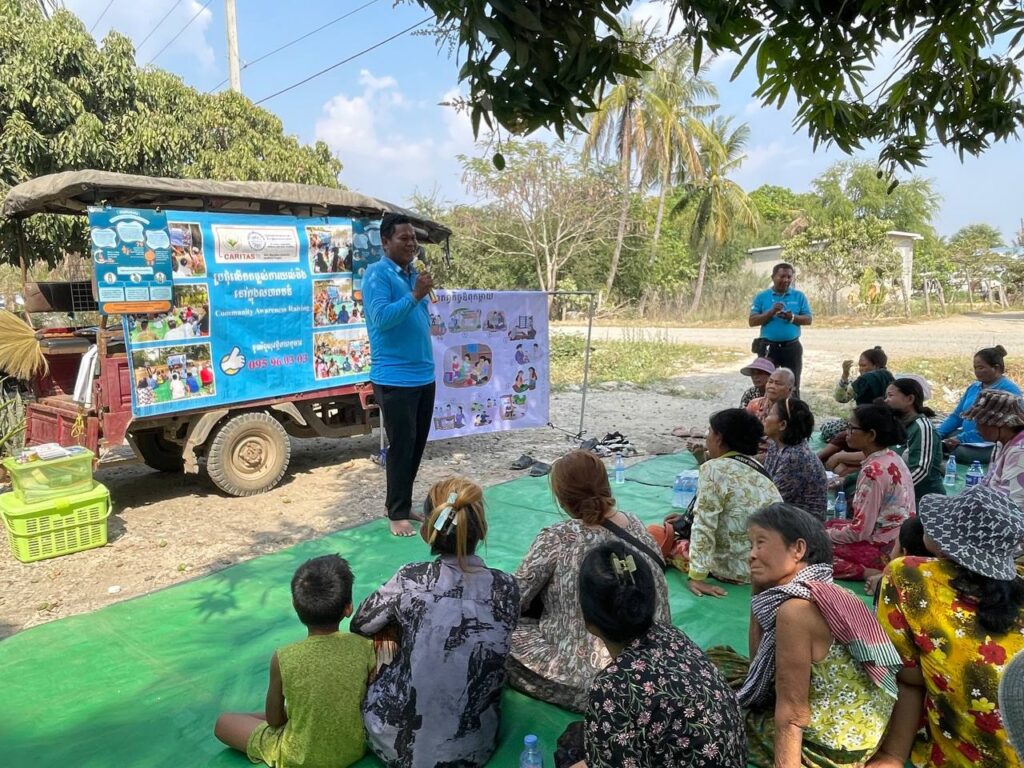
The Futures Office has become a crucial actor for displaced children and their families, who have sought shelter at temporary camps. People in the camps have experienced disruption in their movement and income and suddenly found themselves without food security or financial support. This kind of interference in their daily lives is crucial because it does not just address immediate survival needs but also lays the groundwork for long-term resilience for displaced people.
Through individual assessments, the Futures Office identifies each person’s skills, experiences, and capacity. Rather than offering short-term aid alone, the programme promotes long-term solutions such as job-readiness orientation, employment matching with local workplaces in Poi Pet, consultation on available government-supported services and guidance on legal documentation required for work. For adults who once struggled just to secure a daily income for themselves and their children, the Futures Office’s support has truly shifted their income.
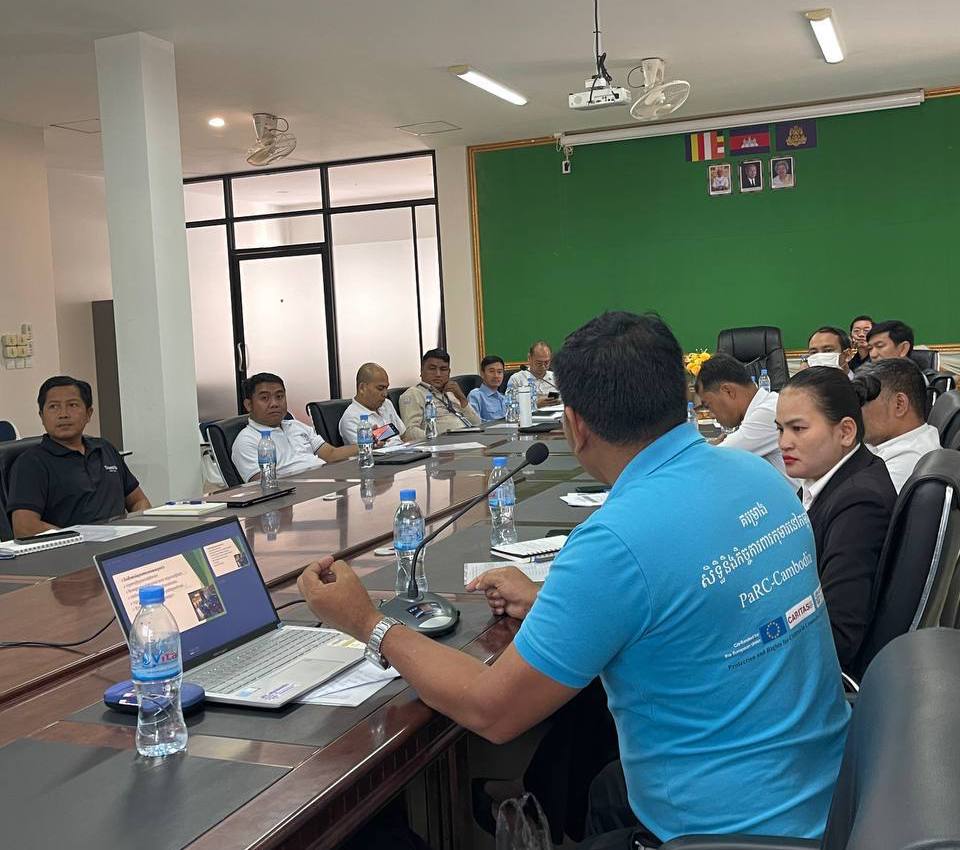
The Futures Office is also strengthening collaboration with the private sector in Poi Pet and beyond. By creating more structured partnerships, the Futures Office is essentially building a bridge between job seekers and workplaces. This approach ensures that support is not just temporary but long-term stable income.
Mr. Long Samrithy, Damnok Toek’s Poi Pet Branch Director, tells, “The situation changed very quickly for many families.”
He adds, “Some people crossed the border or moved urgently without any preparation. Through the Futures Office, we assess their abilities and help connect them with job opportunities so they can rebuild their livelihoods.”
Most common challenge among displaced families is the lack of legal identification documents as they come with no essential paperwork. Without documentation, access to formal jobs, health care, and public services becomes nearly impossible. Thus, the Futures Office provides consultation and step-by-step guidance to help individuals obtain or reprocess necessary documents. This service not only increases employability but also reduces vulnerability to exploitation.
Meanwhile, this year, vocational training has been adapted to be more practical and structured. Unlike before, the service now combines training with jobs. Participants not only gain skills but also are guaranteed work at the same workplace where they are trained. This helps ensuring that training leads directly to jobs, not just a skill.
Drop-In Centre: Protecting and Supporting Children
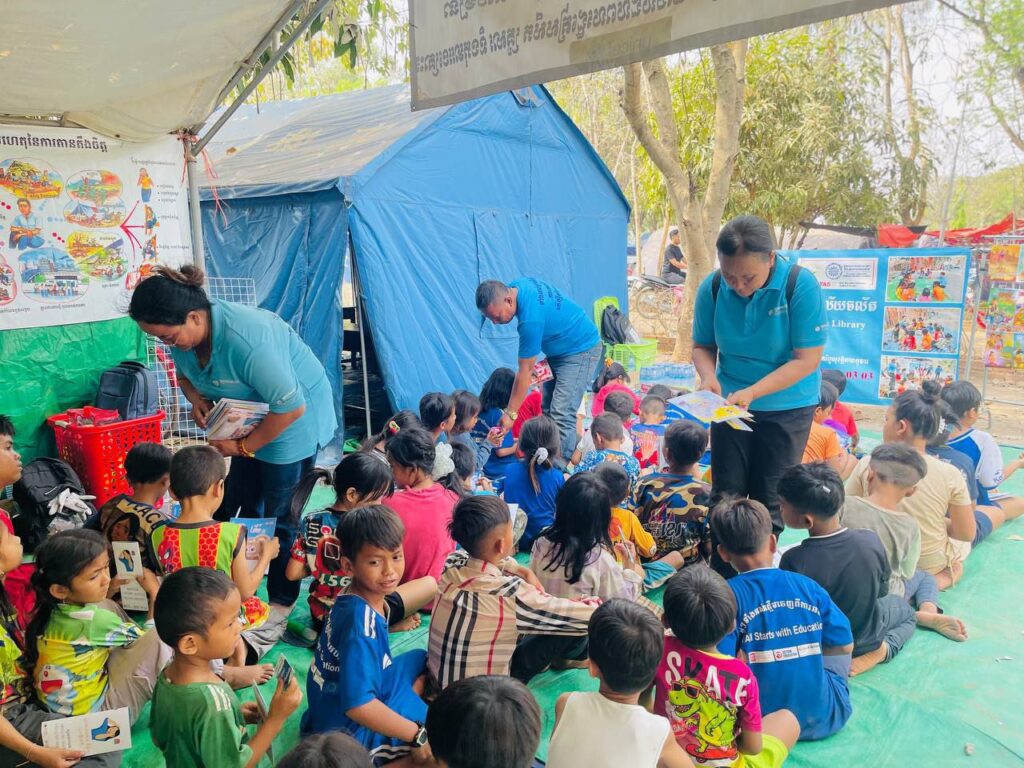
While adults seek work, their children face their own uncertainties. Many experience stress, disrupted schooling, and emotional instability during displacement.
The Drop-in Centre, implemented in collaboration with the local authorities in Poi Pet, such as the District Office of Social Affairs, Veterans, and Youth Rehabilitation (DoSVY), village chiefs and Damnok Toek’s community networking, is having a core focus on ensuring children’s wellbeing and protection. The centre provides, including safe spaces for recreation, basic educational activities and emotional support.
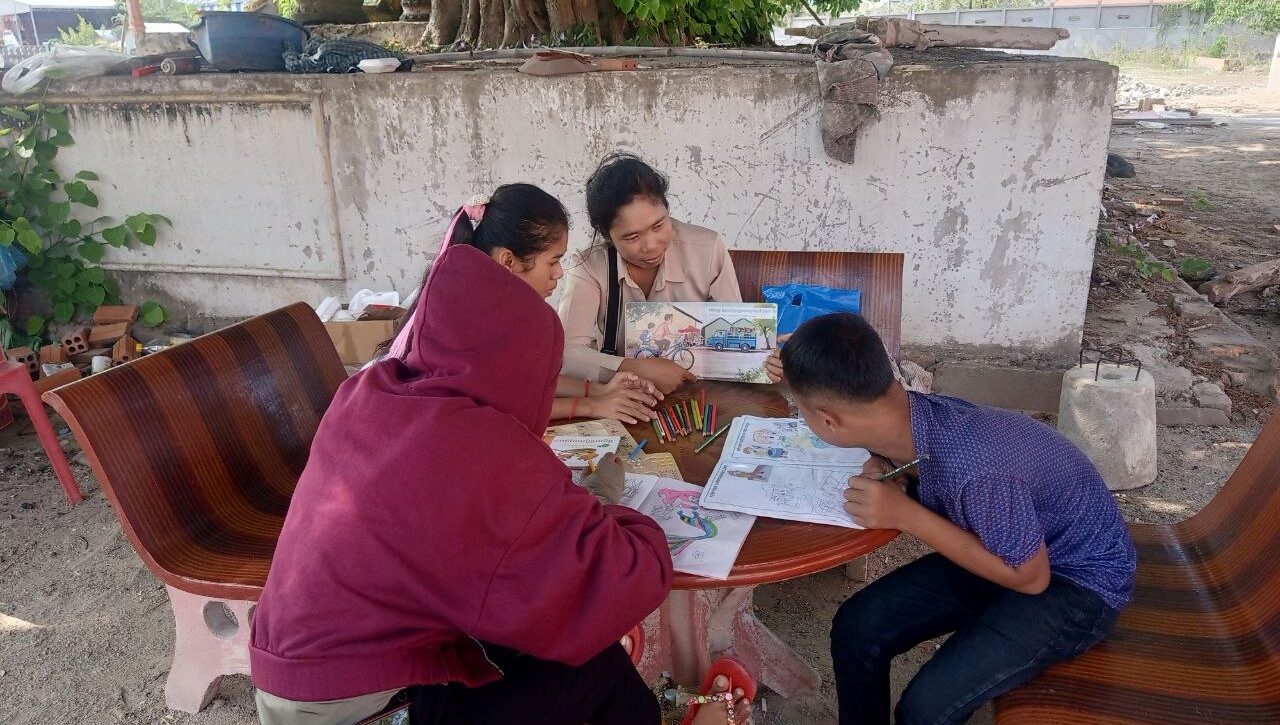
One key initiative is the Mobile Library, that now goes directly to nearby camps so that displaced children can read books, play educational games, and participate in interactive learning sessions. One key objective is to ensure children can learn, engage in joyful, meaningful activities that support their emotional wellbeing and release some stress. For Damnok Toek, education remains central.
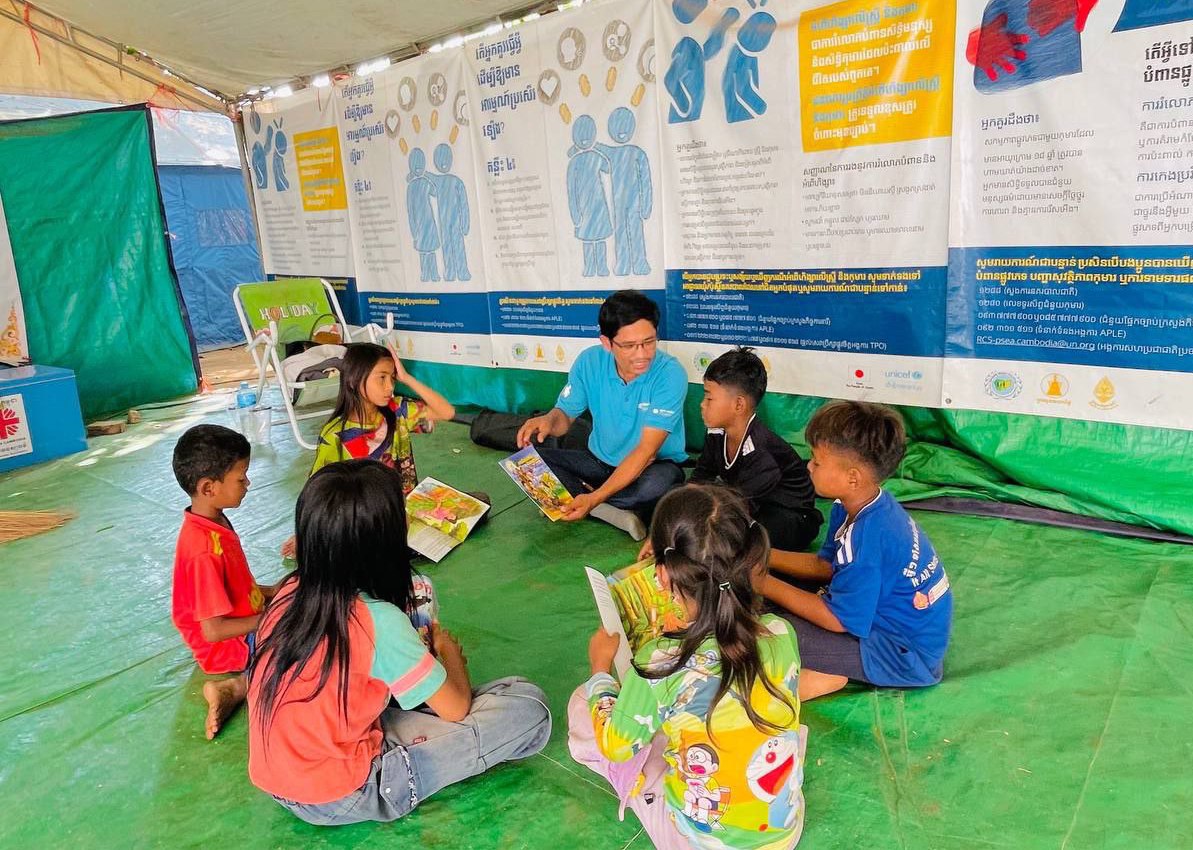
Even in crisis, the team continues to raise awareness about the importance of continues learning and preventing school dropout.
Child Migrants Office (CMO): Ongoing managing and follow-up
In the Child Migrants Office (CMO), the team identifies beneficiaries who may need reassessment. Families and individuals who were previously supported by Damnok Toek are contacted again to evaluate their current situation.
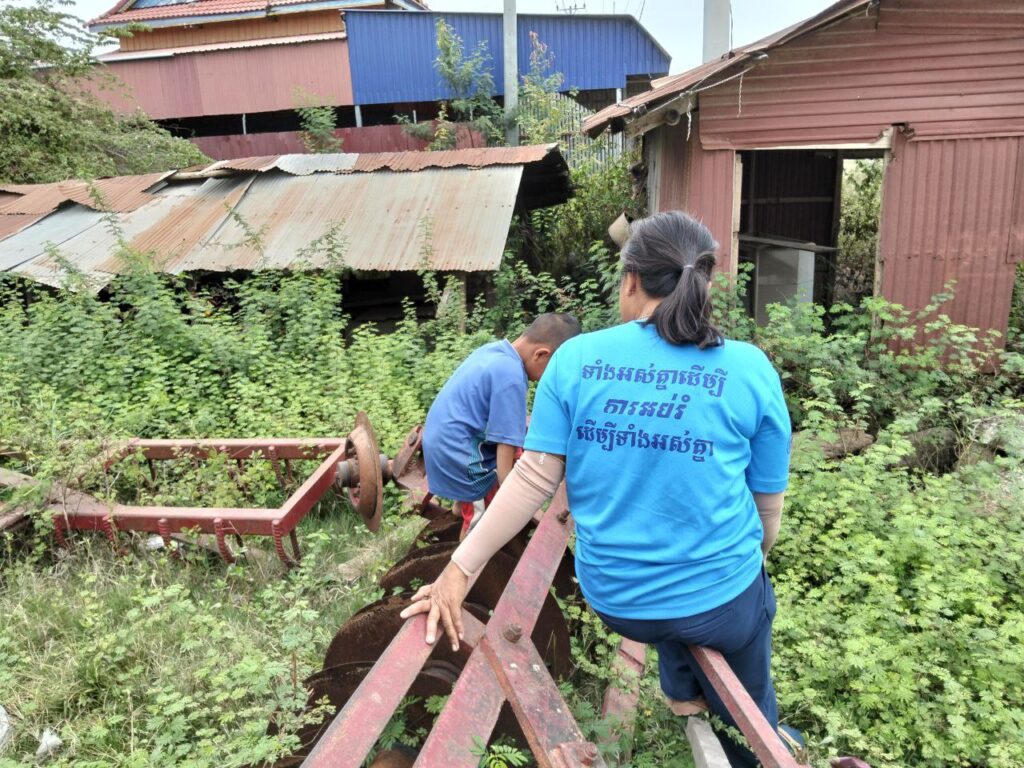
If support is needed, they are referred to additional services whether employment support, education programmes, or protection services to ensure they are not left behind in this displacement conditions.
The border dispute created sudden disruption, but it also highlighted the importance of adaptability and collaboration. By strengthening employment support, child protection services, and partnerships with the private sector, Damnok Toek is responding to immediate needs while building long-term resilience; ensuring that displaced families in Poi Pet are not left behind.
“Adaptation is critical in situations like this,” Mr. Norin emphasises. “By continuously assessing the needs of families and their children and strengthening our services, we can respond more effectively to the challenges people are facing.”
In times of uncertainty, adaptation is not just a strategy, but it is a commitment to stand with the Cambodian people, so that they quickly can go back to their daily lives.