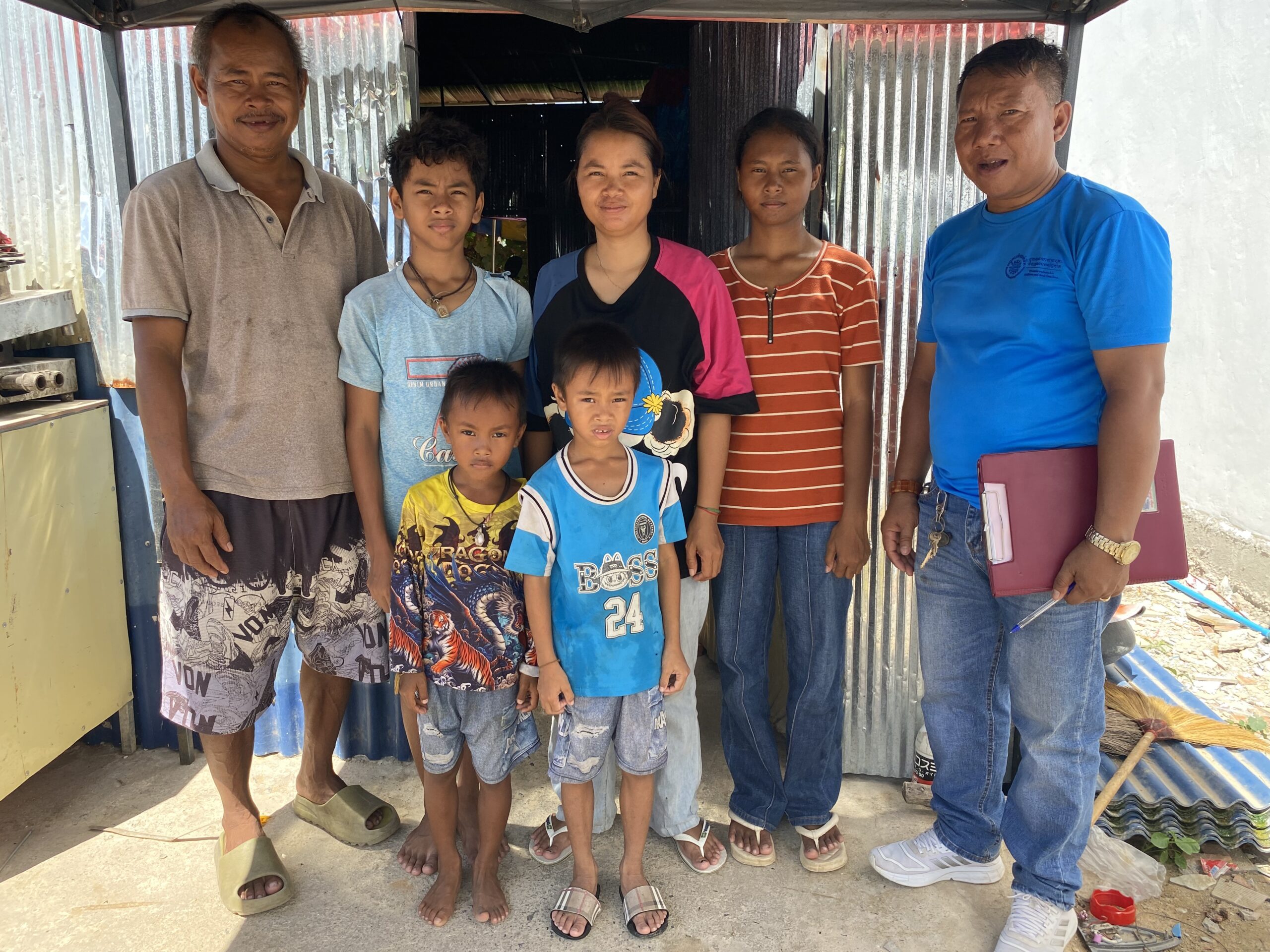
The journey of 10-year-old Sokunthea* reflects exactly why Alternative Care centre is essential in Poi Pet. Sokunthea grew up in a family surrounded with conflict, poverty, and instability. Her father, a 63-year-old construction worker, earned only a small income when work was available. Her mother lived with a new husband who struggled with drug use.
During this time, Sokunthea’s life was filled with fear. Realising the danger his daughter could face, the father sought help from local authorities, leading to Sokunthea placement in Damnok Toek’s Alternative Care centre in March 2025.
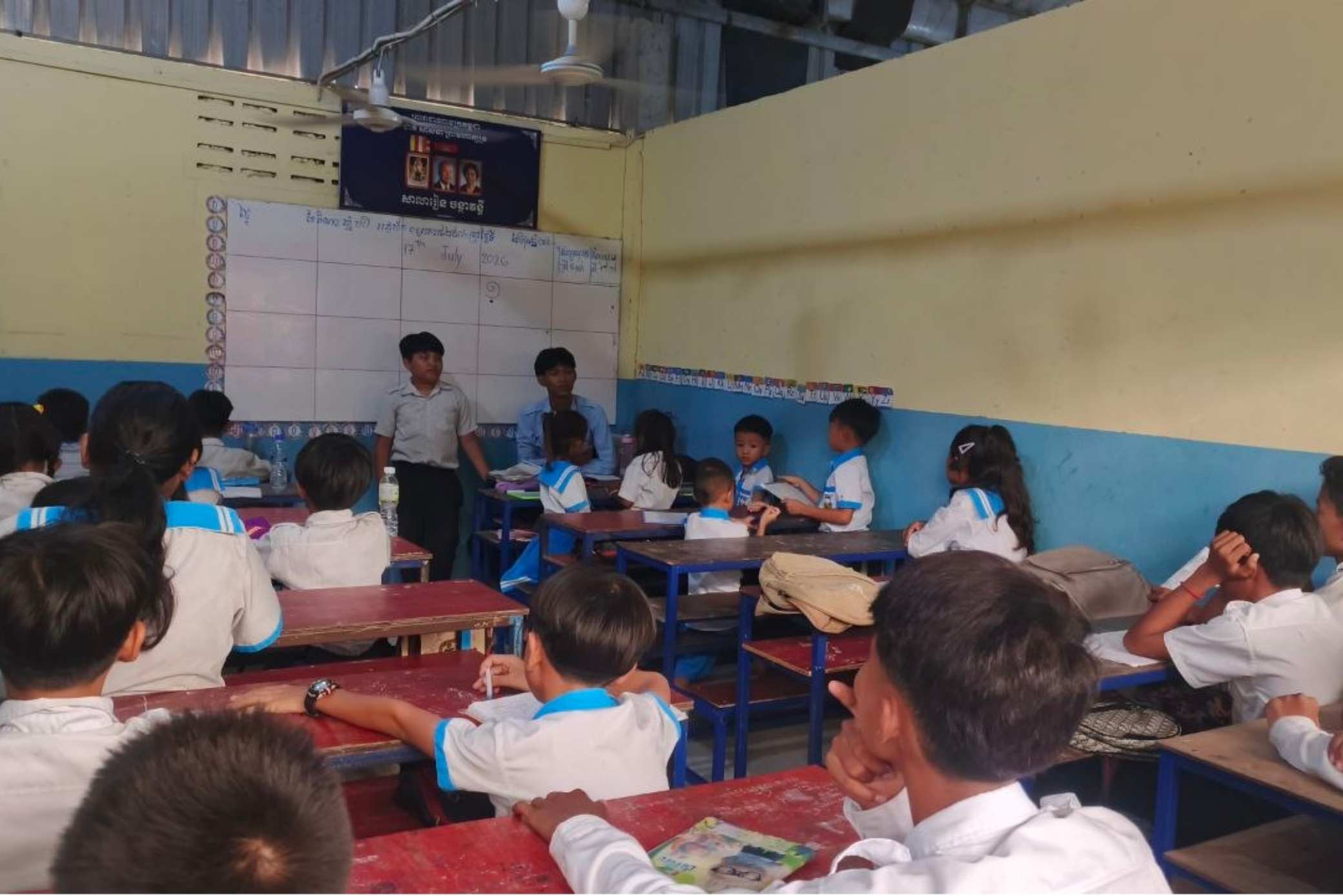
When Sokunthea arrived at the centre, she was finally at a place where she could breathe, sleep safely, and simply be a child again. Slowly, the fear she carried for years has begun to fade. She now smiles more, makes friends, and is eager to learn.
With a bright spark in her voice and her sweet smile, she shares: “I am very happy to live here, and I thank Damnok Toek and the teachers for taking care of me and teaching me to become a good child. My dream is to become a teacher. I want to finish my studies and go home to live with my family.” As she continues to heal and grow, Damnok Toek works closely with her family to prepare for a safe and successful reintegration.
This includes helping her father build a more stable income, so he can support her wellbeing, education, and long-term development. With the right support, Sokunthea has the chance to return home to a safer and more hopeful childhood.
Sokunthea’s story is just one example of children rescued from dangerous situations in Poi Pet each year. For children like her, Alternative Care centre is not just a shelter but a doorway to a safer, healthier, and more hopeful future. It gives children the stability they need to return to school, regain confidence, and dream again.
Through the commitment of Damnok Toek’s team, these children are being protected from the dangers they used to face. Now, they are growing, learning, healing and finding their path forward with their family.
Why Alternative Care is Essential?
Poi Pet location on the Thai-Cambodia border attracts migrants and other poor people, who desperately need to make a living. Border tensions, changing regulations, and disruptions to cross-border work often leave families without stable income or support. When the border was closed in 2025, families and their children face greater risks and insecurity. For children, these conditions give severe risks such as remigration, trafficking, exploitation, abuse and neglect that become the common risks.
Alternative Care Centre: A System of Protection and Support
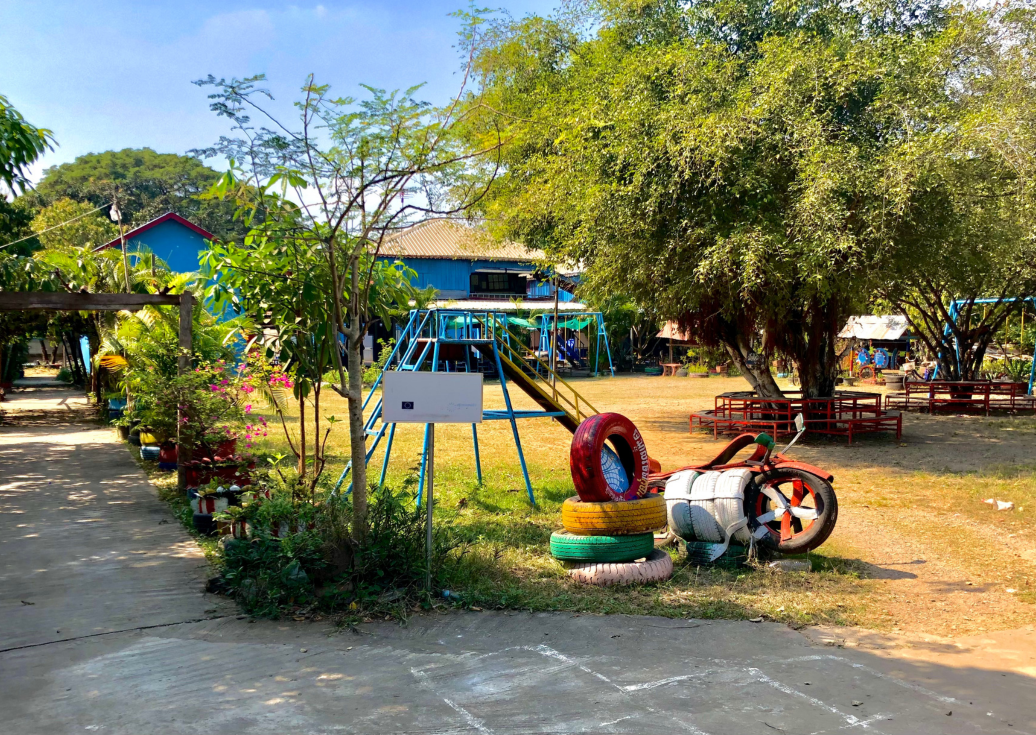
Children are placed into Damnok Toek’s Alternative Care (AC) services through two main pathways. The first pathway is through Damnok Toek’s Child Migration Office (CMO). These are children who have been deported from Thailand by Thai authorities. Many are unaccompanied by parents or caregivers, while others are identified as being at high risk due to exploitation, abuse, or unsafe living conditions.
The second pathway involves children identified directly within Poi Pet’s communities. These children come from families facing extreme poverty, domestic instability, substance abuse, or unsafe living environments. In many cases, families seek help themselves or are referred by local authorities or community networks when children are at serious risk.
In both situations, Damnok Toek’s Alternative Care services play a critical role in safeguarding children. These services exist to protect, stabilise, and empower children at the highest risk of harm. It provides both short- and long-term support for children who are victims of trafficking, abuse, or extreme vulnerability.
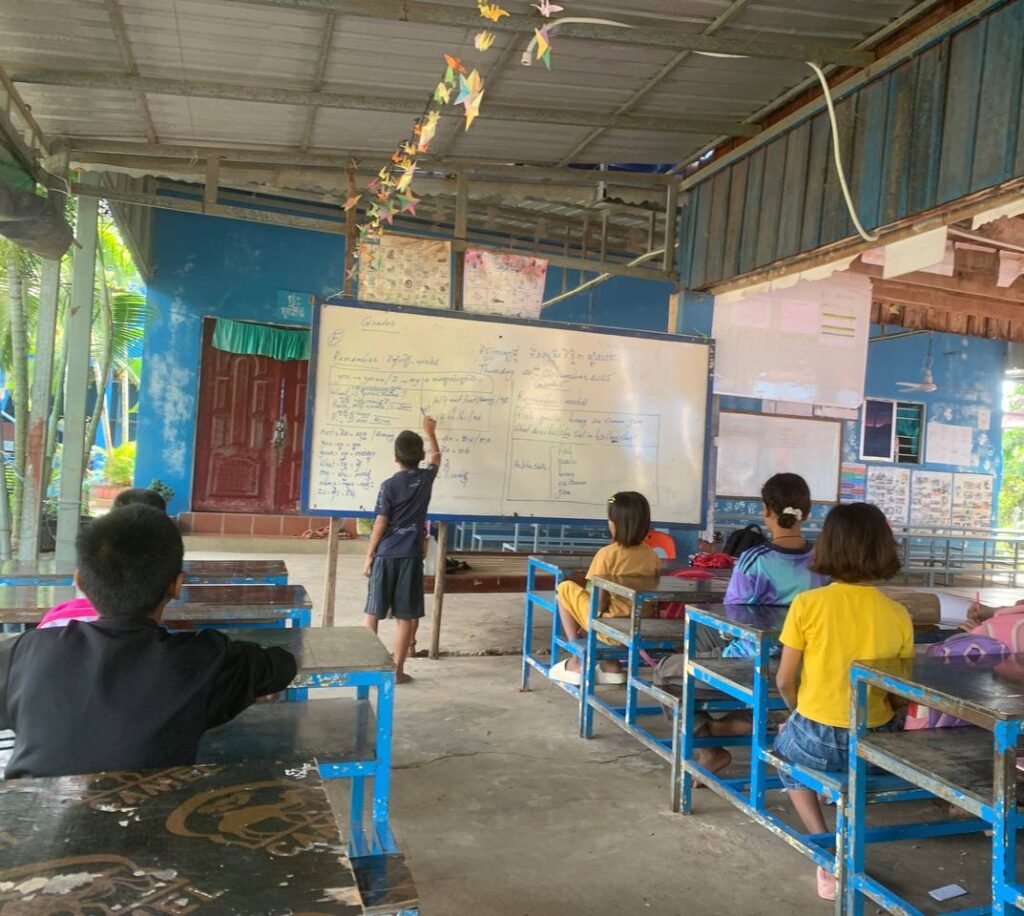
While the centre provides a temporary sanctuary, it functions as a vital hub for intensive social work where every child’s long-term safety is the priority. Damnok Toek works in close collaboration with local authorities and other stakeholders to navigate the process of tracing the families of the children. This mission begins with active family tracing, where staff work alongside government officials to locate parents or legal guardians. Once found, the team conducts rigorous safety assessments, including detailed home visits and interviews, to ensure the environment is truly secure for a child’s return. Throughout this entire journey, Damnok Toek maintains constant legal coordination with the Department of Social Affairs, Veterans and Youth Rehabilitation (DoSVY), ensuring that every placement and reintegration effort strictly follows national protection standards.
The Three Pillars of Alternative Care
Alternative Care is made up of three facilities, such as Reception Centre (RC), Transitional Care Facility (TCF) and Group Homes (GH). Each designed to meet the needs of children at different stages of their journey.
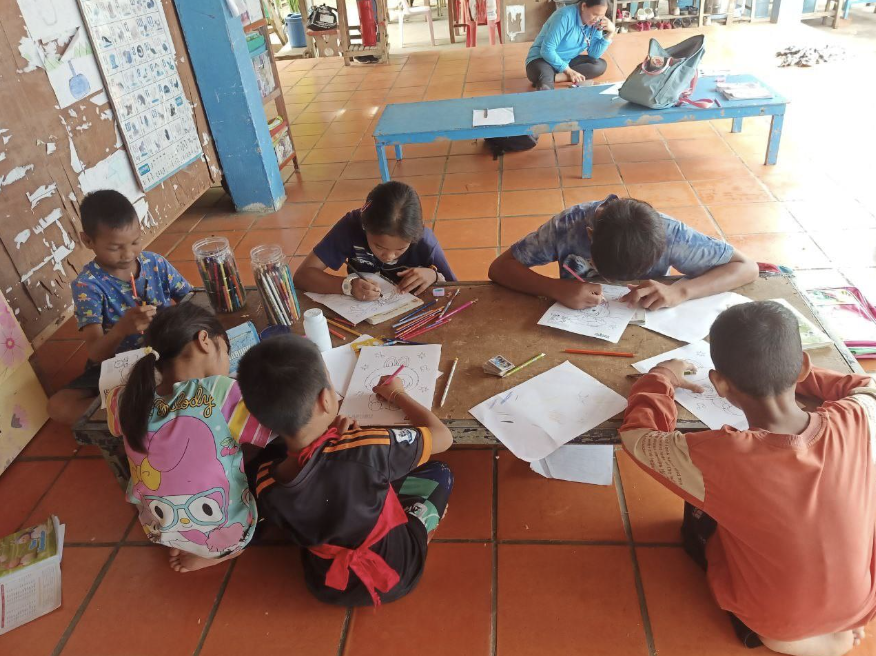
Reception Centre (RC)
Children are accepted to the reception programme for up to 12 months. On arrival a case file is opened and receive care and support including counselling, shelter, hygiene and clothing, support for development of life and social skills, recreational and creative activities and access to education or programming to prepare for access to education. As part of the case management family tracing is initiated to support family reintegration. If family is traced, family visits are conducted to assess if the family situation is sufficiently safe and stable for the child to be reintegrated to the family. In the event that family cannot be traced, Damnok Toek will explore kinship or foster care options.
Transitional Care Facility (TCF)
If after 12 months family tracing/reintegration has been unsuccessful, a child will move into the transitional care programme. Family tracing/assessments and exploration of kinship or foster care will continue in this phase.
Group Homes (GH)
Group Home programming is for children who have reached the age of 16 years without successful tracing/reintegration. These children are supported in a semi-independent living arrangement in the local community which enables them to develop self-autonomy and independence capacities to transition to adulthood while having the ‘safety net’ of the Alternative Care staff and services.
For children like Sokunthea, Alternative Care centre is the safe place where they feel respected and valued. This service is especially crucial for children from severely disadvantaged communities who have experienced neglect, child labour, street begging, or domestic instability. In here, they have an ability to regain dignity and the chance to grow in a safe and supportive environment.
*The name has been changed in order to protect their identity.