Many poor families in Cambodia face endless cycles of poverty, debt, unsafe migration, and limited access to education for their children. These challenges can place children at increased risk of trafficking, exploitation, abuse, neglect, and child labour, particularly when families are forced to migrate in search of work or struggle to meet their basic needs. For many years, Nita*, a 34-year-old mother of four living in Poi Pet, experienced these challenges firsthand. Struggling to earn enough income to support their family, she and her husband migrated to Thailand several times in search of work. Today, their story demonstrates how Damnok Toek’s Family Development Model (FDM) Programme can help families build stability and create lasting change.
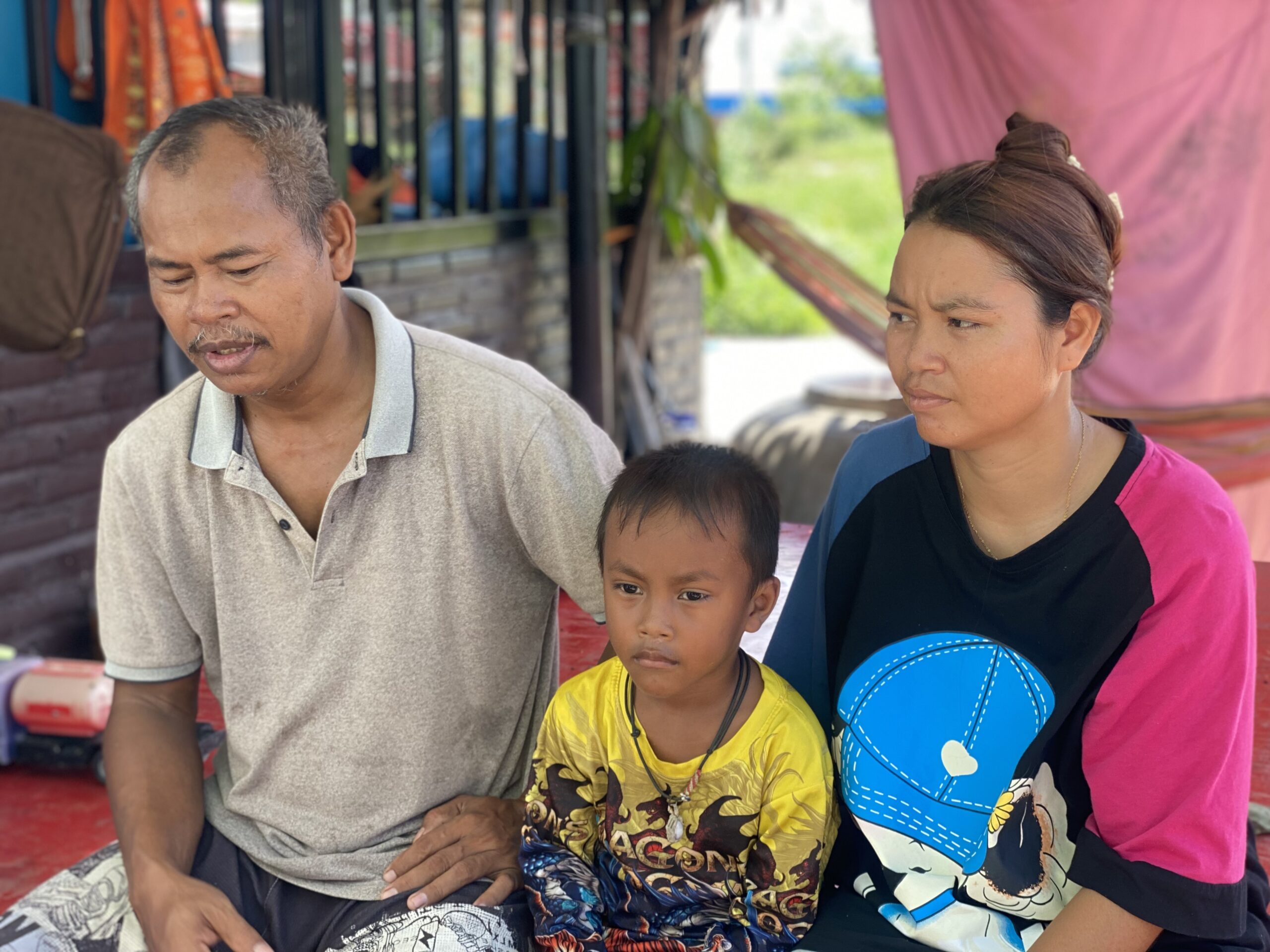
Originally from Battambang Province, Nita moved with her family to Poi Pet in 2009 in search of better economic opportunities. She earned a small income through laundry services while her husband worked in construction, but despite their best efforts, their earnings were barely enough to cover daily expenses.
Like many families facing financial hardship, they sought opportunities across the border. In 2012, they migrated to Thailand through an informal broker, undertaking a risky two-day journey through forests with their five-month-old daughter in the hope of finding a better future. Although both parents found work, life as undocumented migrants brought constant risk of arrest and exploitation. Their fears became reality when they were detained by Thai authorities for two days.
In 2017, Nita returned to Cambodia with her family to help her sister run a small food business selling grilled fish and chicken, and papaya salad. However, the family’s financial situation remained difficult, and when her husband migrated to Thailand again in 2023, the cost of migration, lower wages, and prolonged family separation only increased their hardships. As financial pressures grew, so too did the risk and uncertainty facing the family and their children.
Damnok Toek’s Family Development Model Programme
In April 2024, social workers from Damnok Toek (DT) met Nita through community outreach, marking a turning point for her family. They found a family facing multiple challenges: both parents were unemployed, the children were out of school, and the family lacked essential civil documents, including birth certificates and a family book. With no land ownership or secure housing, they were living in a temporary shelter on a relative’s property and struggling to meet their basic needs. These circumstances increased the family’s vulnerability and placed the children at greater risk of exploitation, neglect, and unsafe migration. Despite these difficulties, Damnok Toek’s social workers recognized the family’s strong determination to improve their situation.
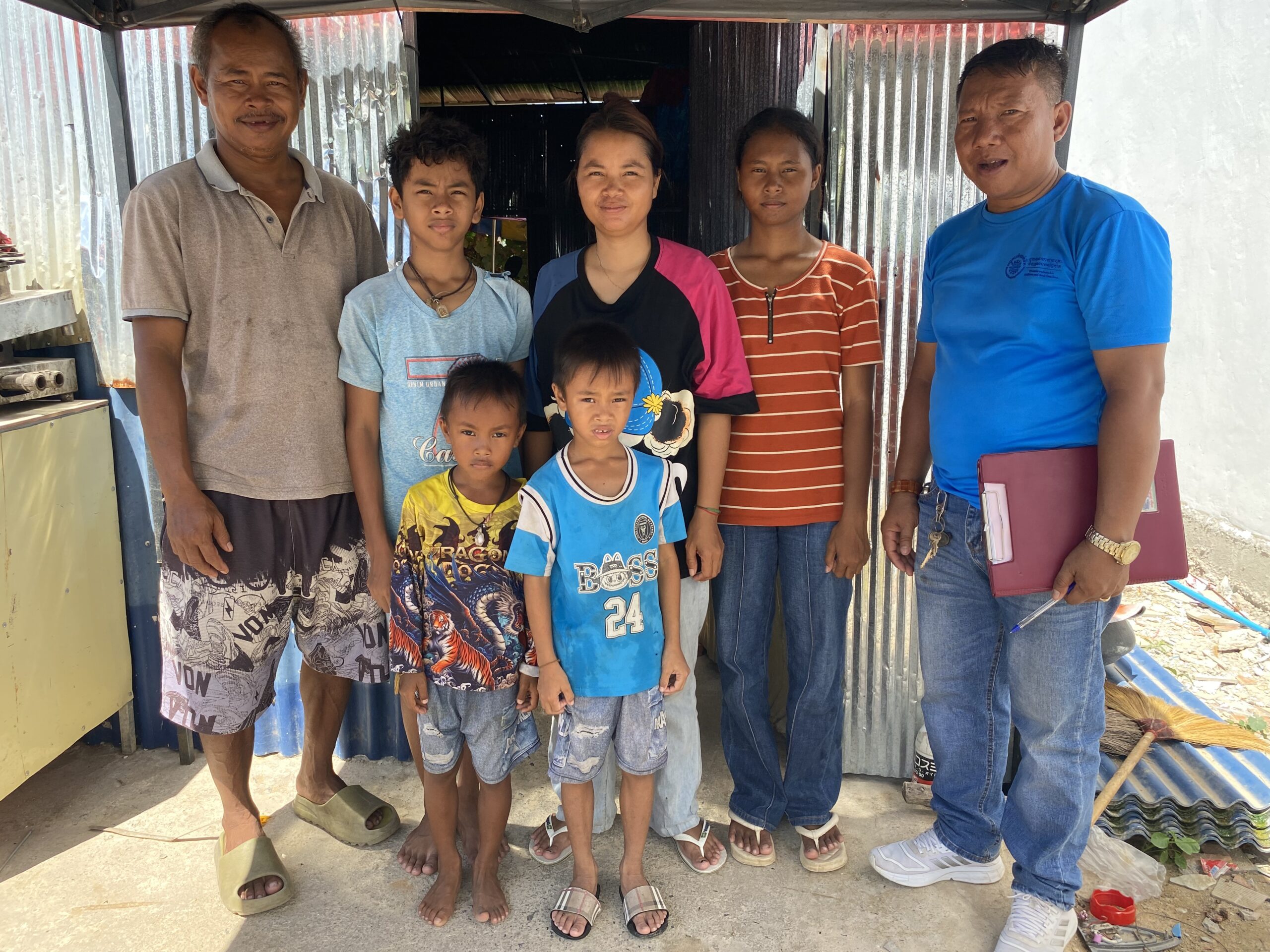
The family was enrolled in Damnok Toek’s Family Development Model (FDM) Programme, which combines comprehensive family assessment, regular home visits, and ongoing case management to help families identify priorities and achieve sustainable improvements.
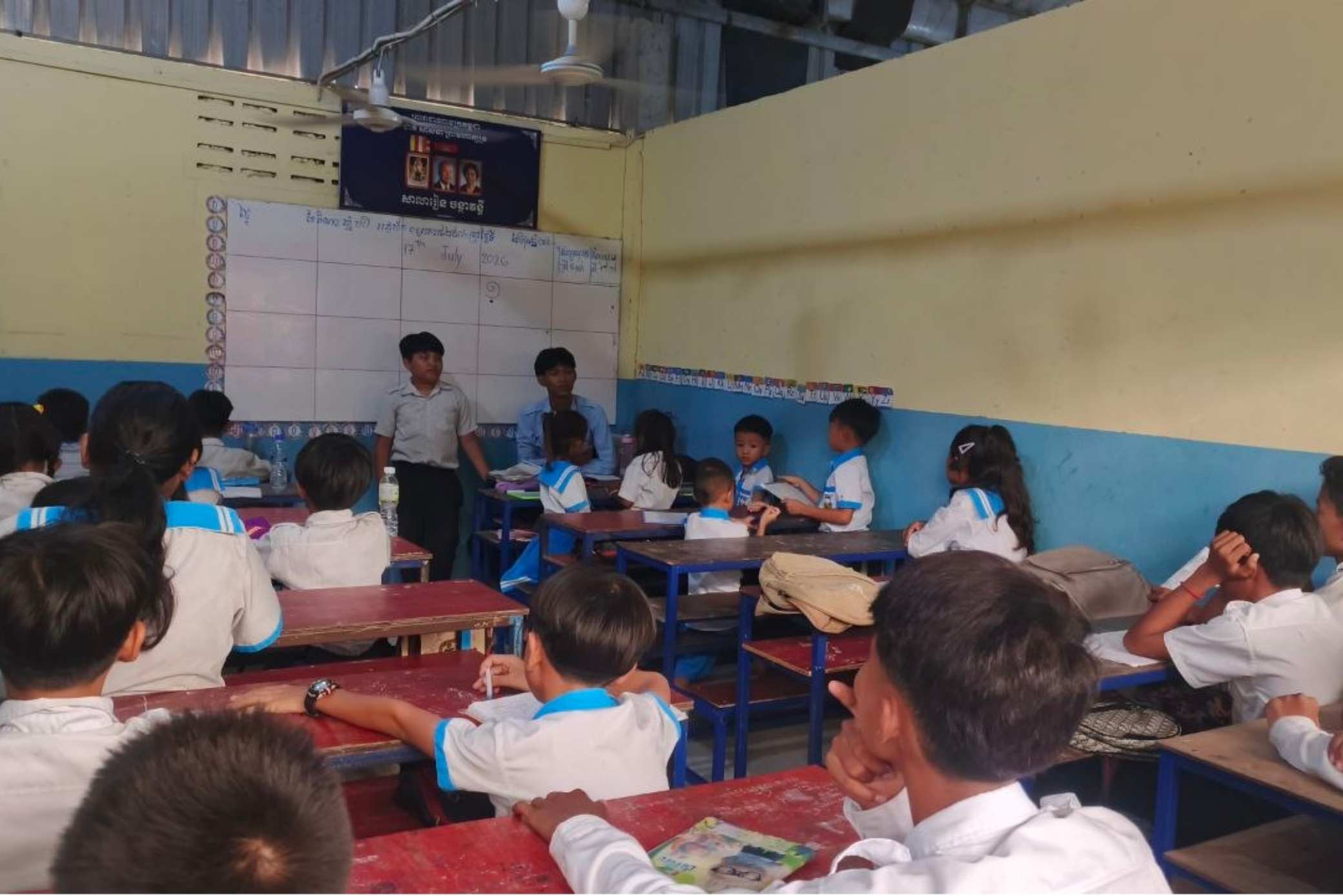
One of the first priorities was education. The family’s eldest daughter and son were enrolled in Damnok Toek’s Non-Formal Education (NFE) Programme, enabling them to continue their education and build a stronger foundation for their future.
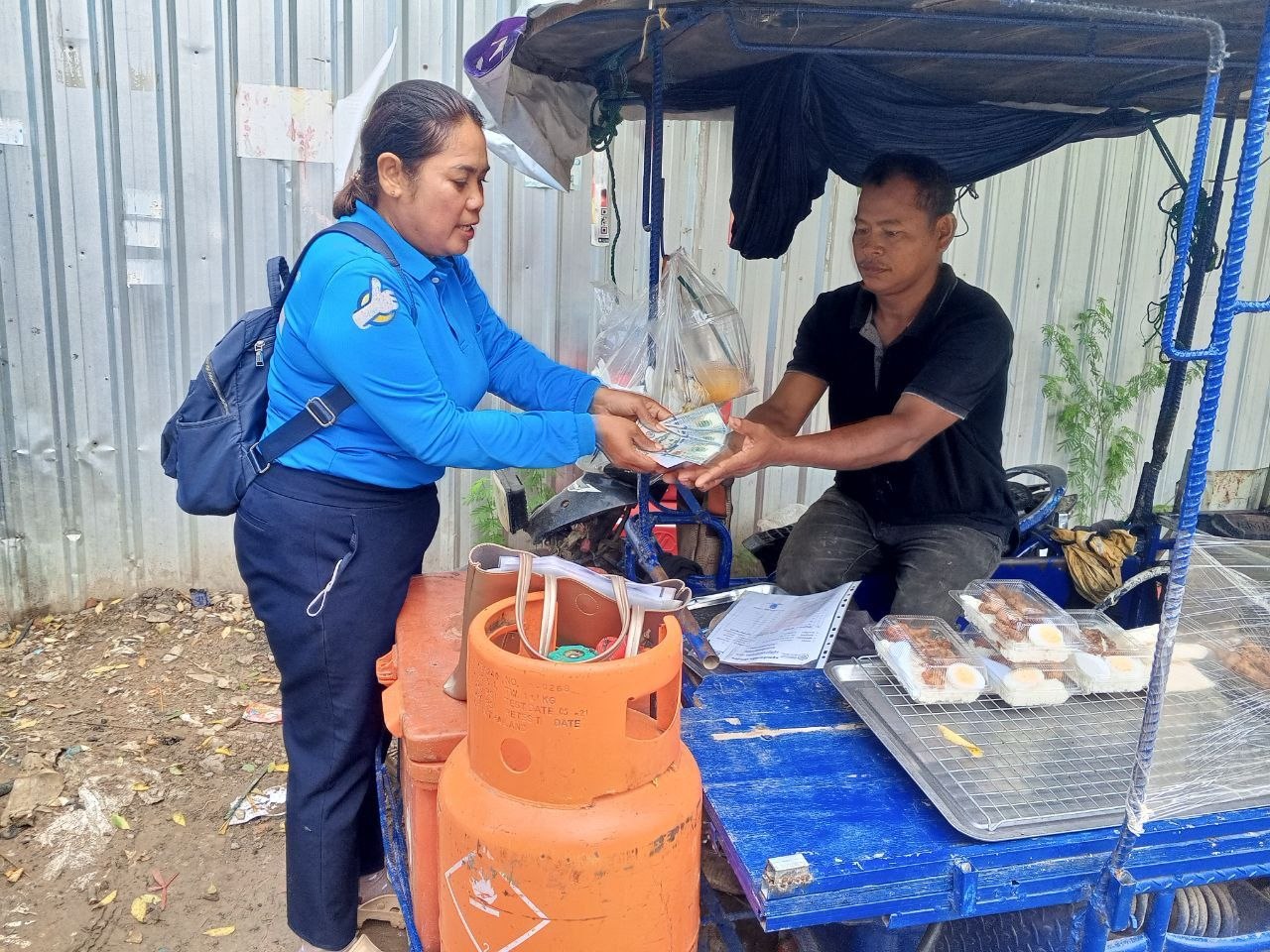
To address the family’s economic challenges, Damnok Toek’s Futures Office programme provided a USD 300 start-up loan through its Income Generating Activities project.
Drawing on Nita’s previous experience, the family launched a small food business selling grilled sour fish, grilled chicken, meatballs, and Khmer rice pancakes.
The business soon began generating a more reliable income. With ongoing guidance from Damnok Toek’s social workers, the family strengthened their financial management skills and steadily increased their earnings. They were able to meet their daily needs, ensure their children attended school regularly, and obtain birth certificates and a family book, ensuring legal identity and improving their access to public services. These improvements helped create a safer and more stable environment for the children, reducing vulnerabilities associated with poverty and migration.
As their situation improved, the family bought a motorcycle to support their business and transport needs. They also began making monthly payments towards purchasing a plot of land and were able to build a modest but safer home for their family. Meanwhile, their third child was also enrolled in Grade 1 of the NFE programme.
The family also grew more confident in seeking support when needed. When two of their children developed serious health problems, Nita contacted Damnok Toek, who helped arrange medical treatment and ensure the children received the care they needed.
Today, Nita and her family have established a sustainable source of income, improved their living conditions, secured essential documentation, and ensured their children can access education.
Reflecting on her family’s journey, Nita expressed her gratitude for the support provided by Damnok Toek, which helped her family regain stability and hope for the future.
“The Family Development Model Programme not only improved my family’s financial situation but also restored our belief that a better future is possible.” Looking ahead, the family hopes to expand their food business and eventually own land and a permanent home where they can live together safely and securely.
Nita’s story demonstrates how Damnok Toek’s Family Development Model Programme helps families overcome the challenges that place children at risk. The programme’s holistic approach strengthens family stability, reduces vulnerabilities linked to poverty and unsafe migration, and helps ensure children can grow up safely within their families and communities.
*The names have been changed in order to protect their identity.