At Kep, a popular resort town on the south coast of Cambodia, the fresh sea drifts over the farm in the early morning as the day begins. At Kep Residential Care, 26 residents are waking up to a new day. Taking a look into the main house, 14 residents start their day with guidance from Damnok Toek (DT) staff. While support is close at hand, the goal is always toward greater independence. Down the path, six others live in the semi-independent living arrangements (SILA), where they enjoy their routines while still participating in scheduled activities. And beyond the residence, another three have transitioned into accommodation in the nearby community, stepping into a life of greater independence while staying closely connected to DT and their friends.
Most mornings, community-based residents walk to the DT farm and residence to share meals, catch up with friends, or pitch in with farm work and social activities. These activities and routines enable residents to make progress toward living confidently on their own.
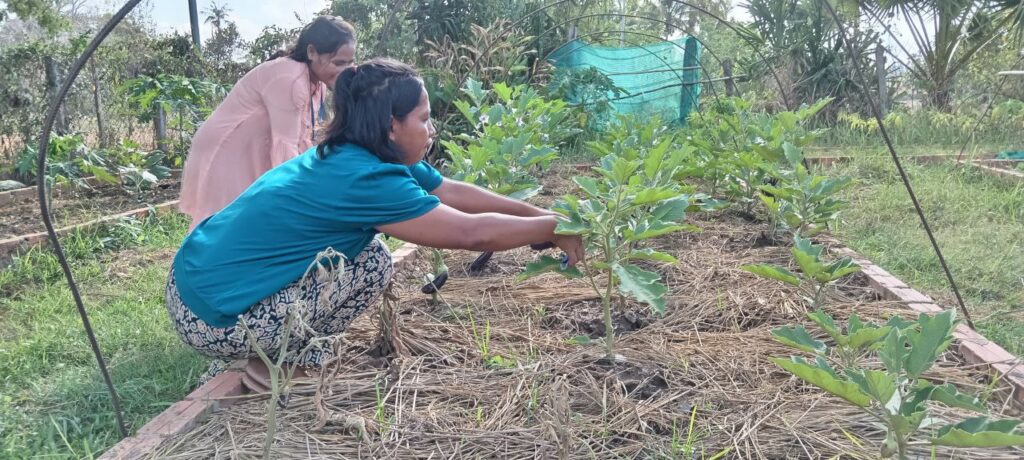
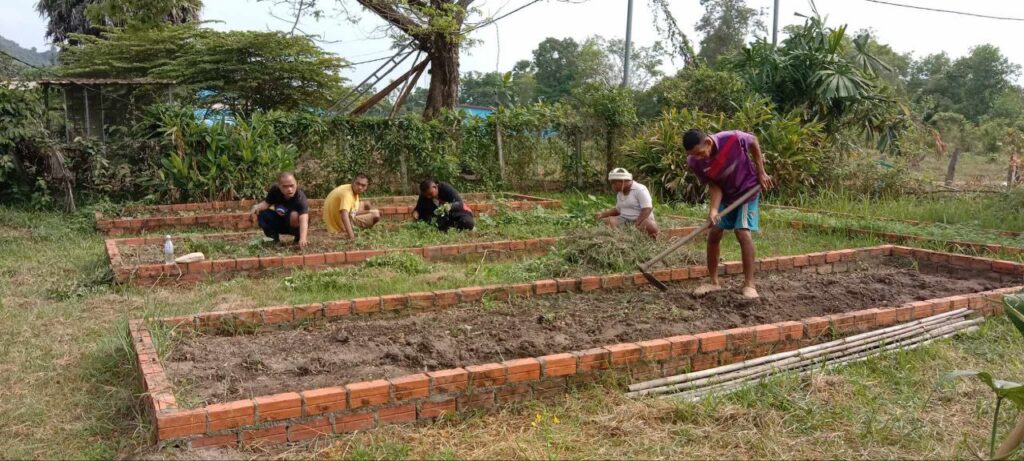
Residents are farming at Damnok Toek farm.
In addition, some of community-based residents are going even further to independence. Few of them now hold internships with DT to help staff; such as helping to coordinate farm and residential activities, cooking, or cleaning that reflect their growing confidence and sense of contribution.
Panha*, 26 years old, who has been with Damnok Toek for eight years, has found a new sense of independence and joy living in a community home for the last three months. The change of environment has done him good; he becomes more engaged, often greeting his neighbours with a friendly smile. He’s also taking better care of himself, improving both his hygiene and personal style.
Coming to Damnok Toek every weekday, Panha spends his mornings and afternoons in the farm such as planting vegetables, picking moringa leaves for tea, and helping clean around the residence. He has also been attending consultations with the social worker at Damnok Toek, where he receives valuable advice on how to manage his daily life.
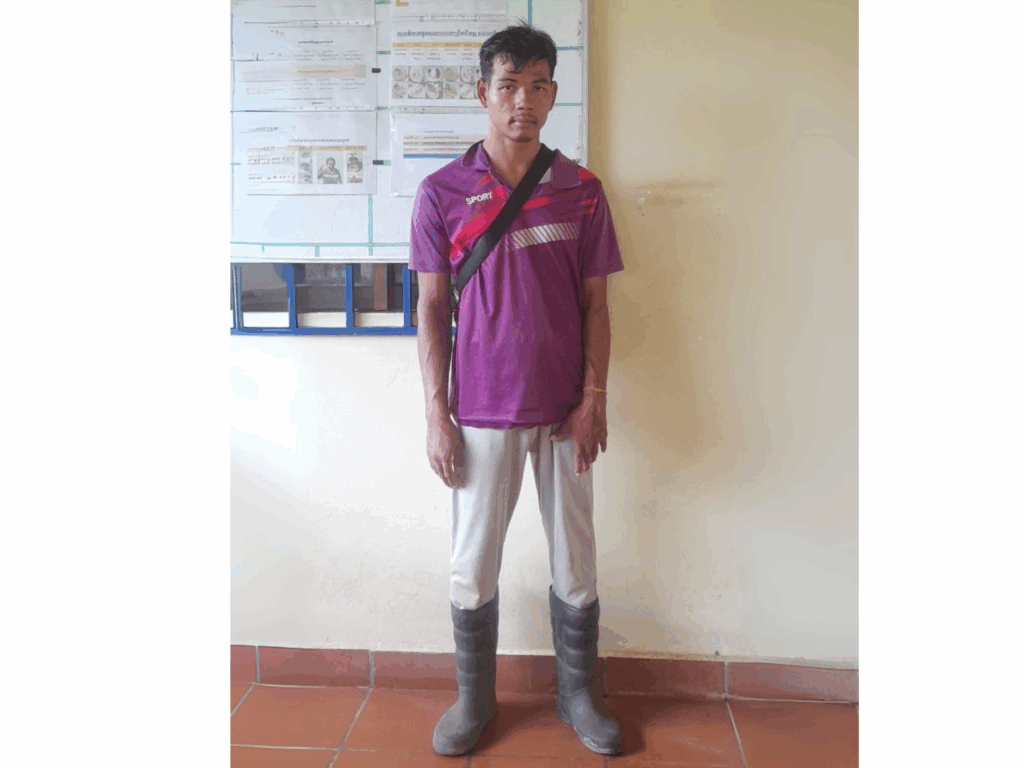
Life in the community, however, isn’t without its challenges. Panha currently shares his home with two other residents who help him getting used to live in the community and building relationship with his neighbours. However, building relationship take time because Panha is naturally shy and still lacks confidence in communicating with others.
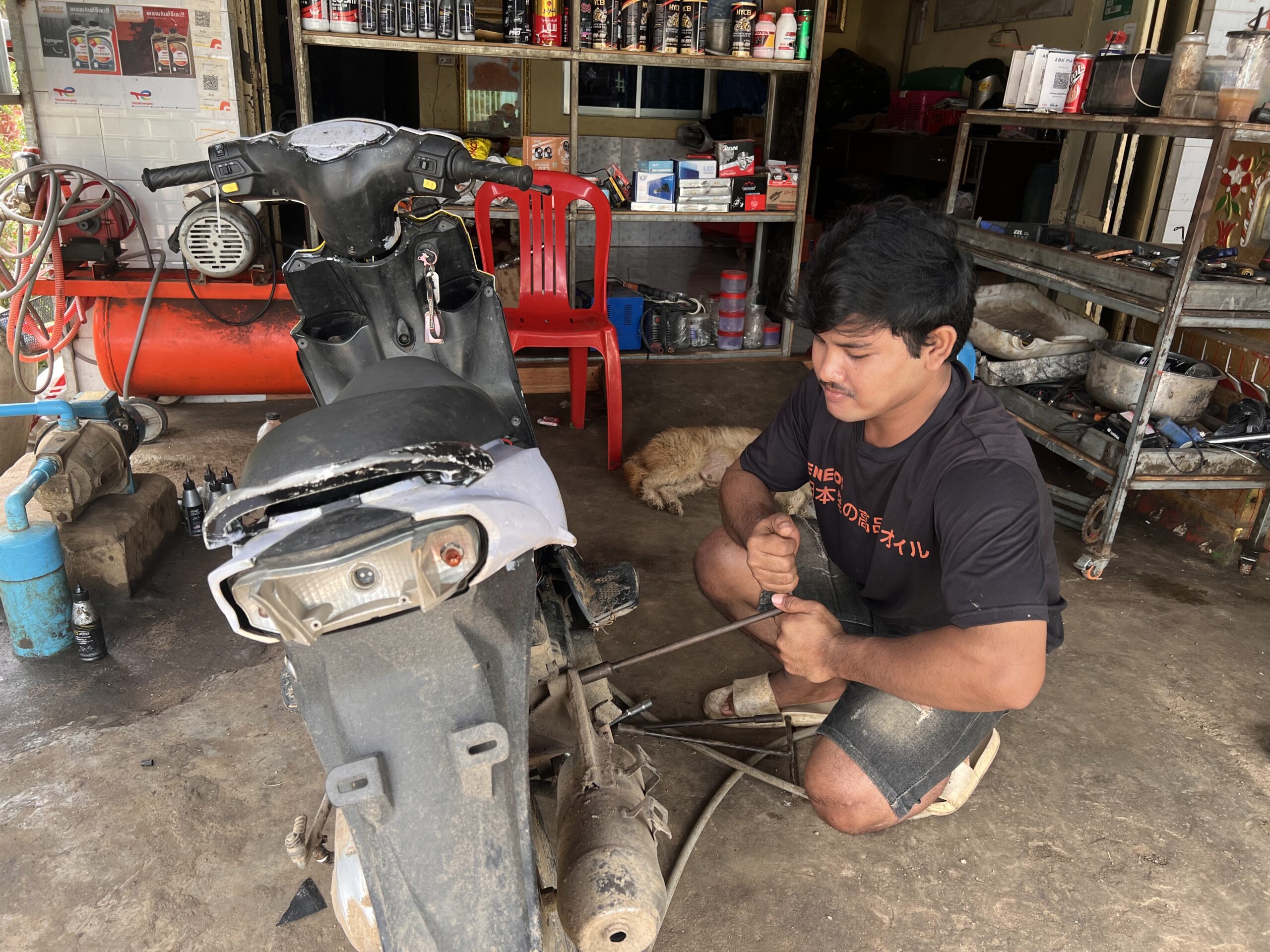
Panha dreams of a future where he can support himself and gain more skills. He shares, “I hope to learn how to fix vehicles, not only to earn a living but also to have my own bike for transportation.”
Back at the main residential facility and SILA house, life flows with more structure. During the day, residents follow a daily program that includes nurturing tea seedlings, harvesting crops, helping prepare snacks, exercising, and participating in creative and recreational activities that support their physical, social and intellectual development. Some residents from SILA even cook their own rice before lunch, a skill they take pride in. Though helpers are nearby, residents take the lead as much as they can by learning to cooperate with one another, solving little problems, and finding pride in shared accomplishments.
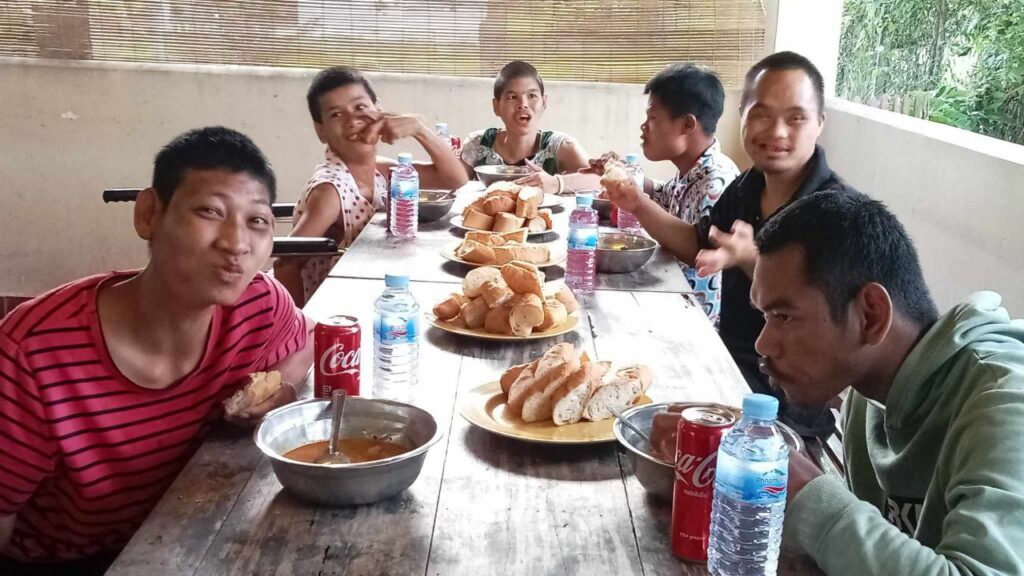
SILA residents are enjoying a meal together.
Moreover, every week, SILA residents gather for meeting and consulting sessions. There is laughter and deep conversation in equal measure while they are sharing stories, reflecting on chores, exercise habits and their daily life at the farm and residence. These sessions, supported by DT staff, help build self‑confidence: residents learn to express themselves, plan their days, and join in decisions that affect them.
Not only that, weekly, everyone from the three groups heads out on excursions: strolling along the beach, visiting the local pagoda, exploring nearby resorts, or wandering through bustling community markets as well as visit other organisations when invited.
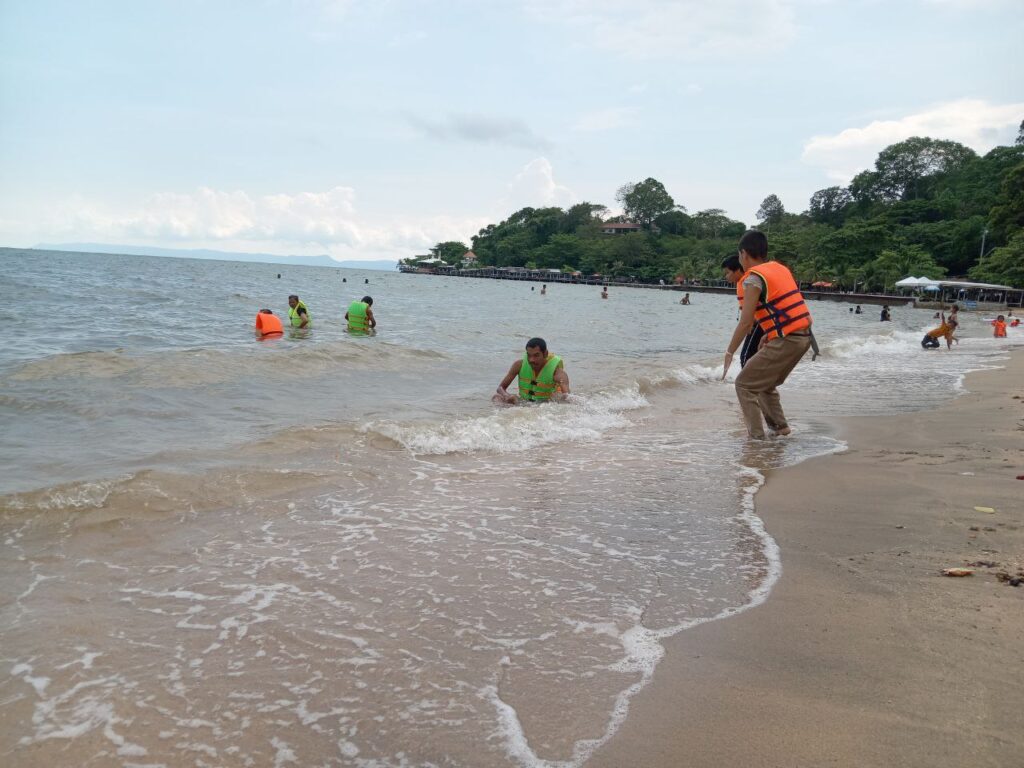
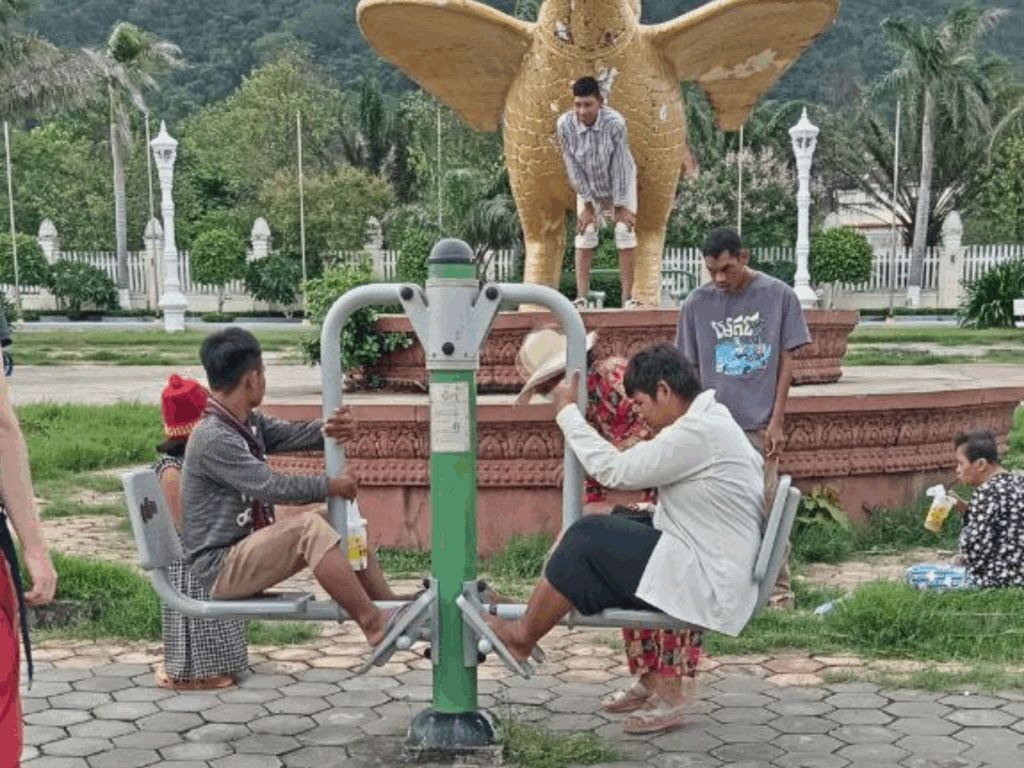
Residents head out on excursions such as playing on the beach or in the community.
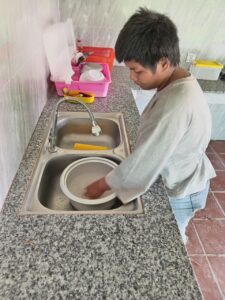
Cheat*, a 25-years-old SILA resident, shares that her life balances responsibility with joy. Beyond the routine, she says that she enjoys excursions most of all. Whether it is sharing food at a local restaurant, playing on the beach, or joining community clean-up activities, these outings bring her happiness and connection.
When evening comes, it brings quieter routines: shared cooking, folding laundry, watching TV together, or socialising together. Every resident, whether living at the main residence, in SILA, or in their community home, is learning and working each day to live with purpose, dignity, and meaningful bonds.
*The names have been changed in order to protect their identity.
If you are interested in supporting Damnok Toek’s Disability Programmes, please click this link: Disability Programme